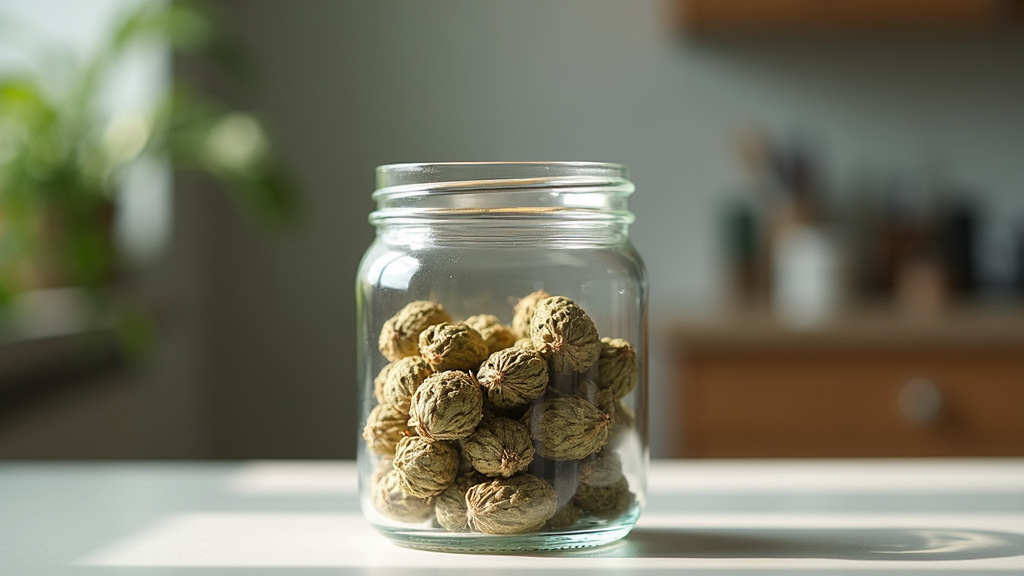
At a glanceCannabis Flower, also known as marijuana, is the female plant of the Cannabis sativa species. It contains a chemical compound called THC that produces psychoactive effects. People use it for medical purposes, such as relieving pain and reducing anxiety, and for recreational purposes, like relaxation and social gatherings. Its various strains offer different experiences and therapeutic benefits.
Key Takeaways
- Cannabis flowers offer a diverse range of therapeutic benefits, from relaxing effects to potential pain management.
- Terpenes and cannabinoids, such as THC and CBD, contribute to the unique properties and aromas of different cannabis strains.
- Proper cultivation techniques, including lighting, nutrition, and environmental control, significantly impact flower quality and yield.
- Legal and regulatory frameworks vary globally, influencing access, research, and public perception of cannabis flower.
- Educational resources and professional guidance are essential for responsible cannabis consumption and harnessing its medicinal potential.
- Ongoing research continues to uncover new applications and insights into the complex chemistry of cannabis flowers.
- Sustainable farming practices are crucial for ensuring the long-term availability and environmental impact of cannabis cultivation.
The Cannabis Flower, a multifaceted and highly sought-after component of the cannabis plant, has garnered significant interest across various sectors, from medicine to agriculture and beyond. Its potential therapeutic benefits, notably in alleviating chronic pain and reducing anxiety, have propelled it into the spotlight. However, navigating the complexities of Cannabis Flower cultivation, regulation, and application poses significant challenges. This article delves into the intricate world of the Cannabis Flower, exploring its biological composition, medicinal properties, cultivation techniques, and the legal landscape surrounding its use. By providing a comprehensive guide, we aim to empower readers with the knowledge necessary to navigate this evolving domain effectively.
Cannabis Flower in Bangor: Where to Start
Looking for cannabis flower in Bangor, ME? marijuana flower Maine serves the local area and can answer questions specific to Bangor.
Understanding the Basics of Cannabis Flower
The Cannabis Flower, often referred to as marijuana or cannabis, is the female reproductive part of the cannabis plant. It is a complex and versatile entity, offering a range of medicinal and recreational uses. Understanding the basics of Cannabis Flower is crucial, especially when considering its application in modern medicine and wellness practices. The process of cultivating and curating high-quality Cannabis Flower involves intricate agricultural practices and precise timing.
When should you consider employing a Cannabis Flower service? If you’re seeking medical or therapeutic benefits, a qualified provider can offer guidance on the best strains and methods for your needs. The timing of the Cannabis Flower’s growth is critical; it typically takes between 8 to 12 weeks for most strains to mature, depending on environmental factors and cultivation techniques. This duration is a significant factor in ensuring the desired potency and terpene profiles. For instance, in Bangor, Maine, where cannabis is legal for medical use, patients often consult specialists to find reputable providers who can deliver consistently high-quality flowers.
Selecting a reliable Cannabis Flower provider is essential. Look for companies that prioritize sustainability, ethical sourcing, and proper cultivation methods. Check reviews, ask about testing procedures, and ensure they offer a variety of strains to cater to different preferences and medical conditions. For example, some providers may specialize in high-CBD strains for anxiety relief or THC-rich varieties for pain management, allowing consumers to make informed choices. Regularly checking new research and staying updated on industry standards will help ensure you’re making the best decisions regarding Cannabis Flower.
| Factor | What to know |
|---|---|
| Maturation time | 8 to 12 weeks for most strains to mature |
| Indica flowering time | Approximately 8-10 weeks, calming effects |
| Key cannabinoids | THC and CBD drive medical and psychoactive effects |
| Medical applications | Chronic pain, inflammation, multiple sclerosis, epilepsy relief |
| Provider selection criteria | Sustainability, ethical sourcing, testing procedures, strain variety |
| Strain selection factor | THC/CBD levels and terpene profiles vary by strain |
Exploring Medical Uses and Benefits
The Cannabis Flower, a staple in the medical cannabis community, offers a wide range of therapeutic benefits backed by growing scientific evidence. Its unique chemical profile, rich in cannabinoids like THC and CBD, allows for a diverse array of medical applications. For instance, it has shown promise in alleviating chronic pain, reducing inflammation, and managing symptoms of conditions such as multiple sclerosis and epilepsy. The process of qualifying for medical cannabis, including the Cannabis Flower, in Bangor typically involves consulting with a healthcare professional who can assess your specific needs and determine eligibility based on state regulations.
Once qualified, understanding the Cannabis Flower process is crucial. Patients often begin with guidance from their healthcare provider on choosing the right strains, with options tailored to individual conditions. The cultivation process itself is intricate, requiring expert care to ensure the highest quality. Growers use advanced techniques to manage lighting, temperature, and nutrient levels, optimizing the plant’s natural compounds. This meticulous approach can take 1-3 months, depending on the strain and desired potency. For example, Indica strains, known for their calming effects, may flower in approximately 8-10 weeks, while Sativa varieties, often used for energy and focus, might require a slightly longer cycle.
Patients should expect ongoing communication with their caregivers or dispensers throughout the process, ensuring the right dosage and strain for their needs. Regular monitoring and adjustments are key to maximizing the benefits of the Cannabis Flower while minimizing potential side effects. This personalized approach, combined with ongoing research, highlights the potential of cannabis as a legitimate medical resource, transforming lives one patient at a time.
Cultivating and Harvesting Cannabis Flower
Cultivating and harvesting cannabis flower is an art that requires meticulous attention to detail. Understanding the nuances of this process is crucial, especially for those interested in the cannabis industry. The cannabis flower, often referred to as the bud or bloom, is the most sought-after product, as it contains the primary compounds responsible for its therapeutic and psychoactive effects. The journey from seed to flowering plant involves careful planning, optimal environmental conditions, and a deep understanding of the plant’s biology.
The first step in cultivating cannabis flower is selecting the right strain. Different strains have distinct characteristics, including varying levels of THC, CBD, and unique terpene profiles. For example, Indica strains are known for their relaxing and sedative effects, while Sativa strains stimulate creativity and energy. Hiring a professional cultivator or consulting with an expert can help you choose a strain that aligns with your desired effects. Once the strain is selected, high-quality seeds are needed. It’s essential to source seeds from reputable suppliers to ensure genetic purity and minimize the risk of diseases or pests.
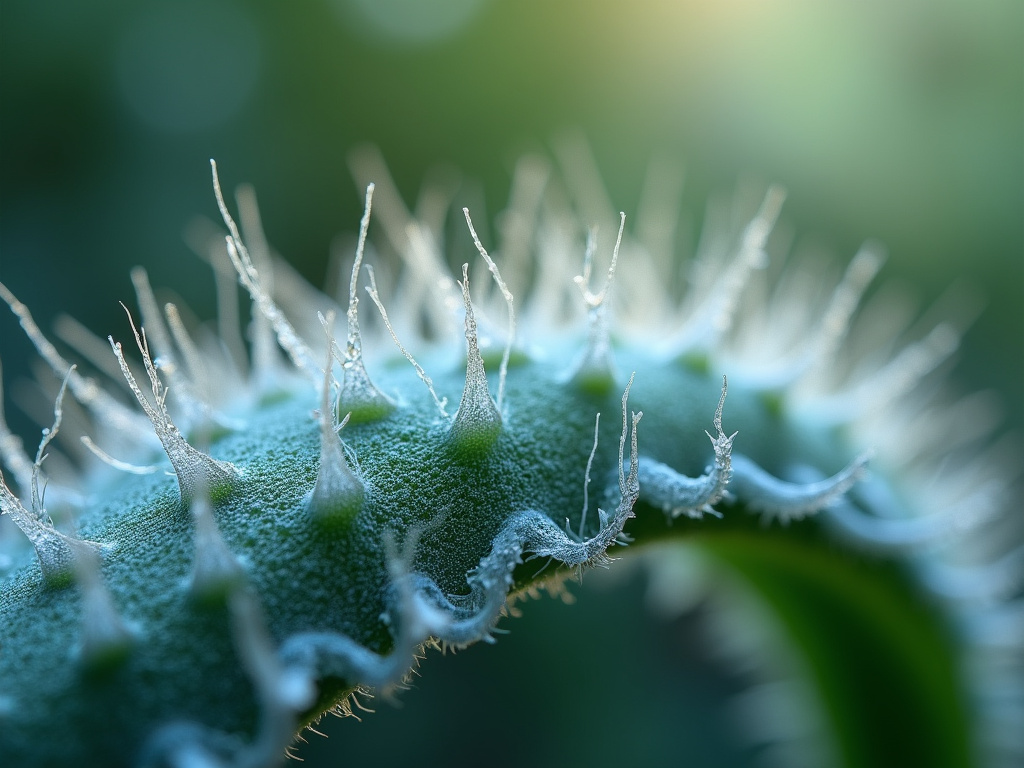
Harvesting cannabis flower is a delicate process, typically occurring several weeks after vegetative growth. The timing of harvesting significantly impacts the final product’s quality and potency. Typically, growers look for signs such as a rich amber color in the trichomes (small glandular hairs on the flower) or a pungent aroma to determine the optimal harvest time. Some cultivators prefer hand-harvesting for precision, while others use mechanical harvesters, depending on the scale of their operation. After harvesting, the flowers must be carefully dried and cured to preserve their flavor and potency. This process can take several days to a week, during which the flowers are hung upside down in a well-ventilated area, allowing the residual moisture to evaporate.
When considering whether to actually need cannabis flower, it’s important to recognize its potential therapeutic benefits and the growing body of research supporting its medical uses. For many individuals, cannabis flower can provide relief from various conditions, including chronic pain, anxiety, and sleep disorders. Additionally, the legalization of cannabis in several countries has led to increased accessibility and a growing industry centered around cannabis-derived products. However, it’s crucial to approach cannabis use responsibly and consult with healthcare professionals for personalized guidance.
Frequently Asked Questions About Cannabis Flower
What is cannabis flower?
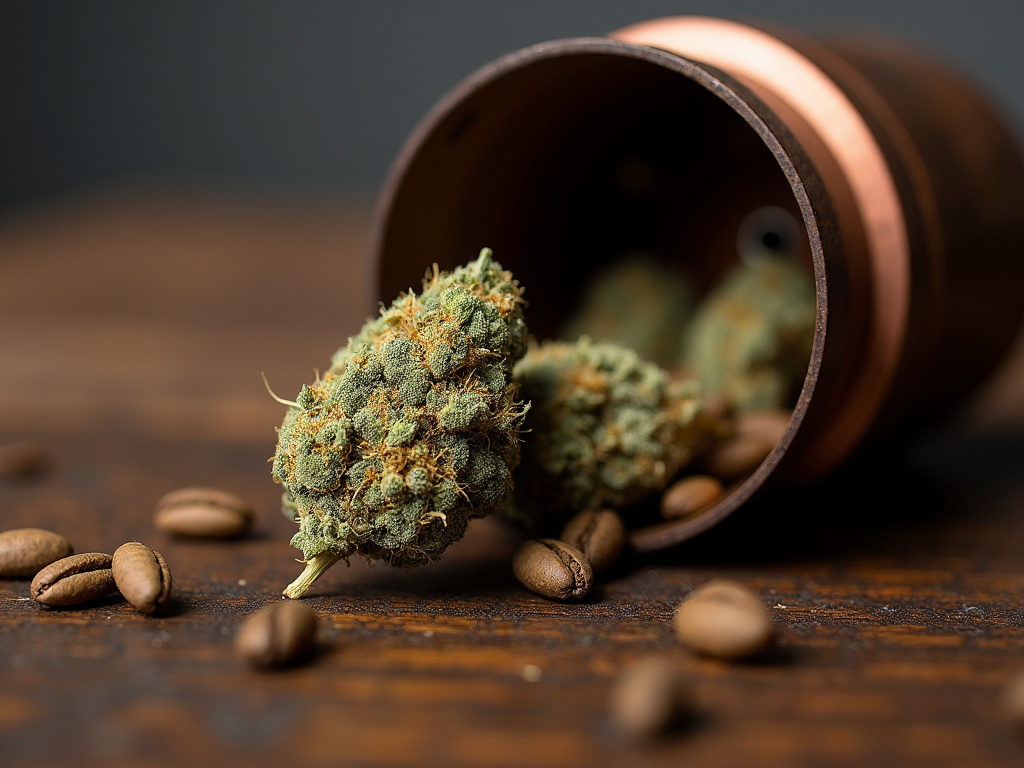
Cannabis flower, also known as marijuana or cannabis bud, is the reproductive organ of the cannabis plant. It contains a complex mix of terpenes, cannabinoids, and flavonoids, contributing to its unique aroma, flavor, and medicinal properties. Cannabis flower is primarily used for recreational and medical purposes, with various strains offering different effects and potential health benefits.
How are cannabis flowers grown?
Cannabis flowers are grown from female cannabis plants. They require specific environmental conditions, including adequate light, water, and nutrients. The growing process involves vegetative and flowering stages. During flowering, the plant produces buds that develop into cannabis flowers. Proper cultivation techniques, such as controlling light cycles and maintaining optimal environmental factors, enhance the quality and potency of the flowers.
What are the different types of cannabis flowers?
Cannabis flowers can vary significantly in appearance, aroma, and effects due to genetic differences. The two primary categories are indica and sativa. Indica strains tend to have shorter, stockier plants and are known for their relaxing and sedative effects. Sativa strains, on the other hand, are taller and have longer flowering periods, offering more energetic and cerebral effects. Hybrid strains combine traits from both indica and sativa plants.
What are cannabinoids found in cannabis flowers?
Cannabis flowers contain a diverse range of cannabinoids, with tetrahydrocannabinol (THC) and cannabidiol (CBD) being the most well-known. THC is responsible for the plant’s psychoactive effects, inducing feelings of euphoria and relaxation. CBD, meanwhile, does not produce a high but offers potential medicinal benefits, including anti-inflammatory and anxiolytic properties. Other cannabinoids like CBG, CBN, and CBC also contribute to the plant’s therapeutic profile.
Can cannabis flowers be used for medical purposes?
Yes, cannabis flowers have been used for medicinal purposes for centuries. Modern research has validated their efficacy in treating various conditions. The plant’s cannabinoids interact with the endocannabinoid system in the body, which plays a role in regulating mood, appetite, and pain perception. Cannabis is commonly used to alleviate chronic pain, reduce anxiety, stimulate appetite, and manage symptoms associated with certain medical conditions.
How should one consume cannabis flowers?
Cannabis flowers can be consumed in several ways. Smoking is the traditional method, often using a joint, pipe, or vaporizer. Edibles, like brownies or candies, allow for sublingual absorption, offering a slower but potentially longer-lasting effect. Concentrates, such as wax or sap, can be vaped or consumed orally. Each consumption method delivers cannabinoids differently, affecting the timing and intensity of the high or therapeutic effects.
Is cannabis flower legal to possess and use?
The legal status of cannabis varies significantly worldwide. In many countries and some U.S. states, cannabis flower is legal for both medicinal and recreational use. However, in other areas, it remains strictly illegal, even for medical purposes. It’s crucial to understand the local laws and regulations regarding cannabis before possessing or using it to avoid legal consequences.
Cannabis Flower, a multifaceted plant with a rich history, offers a multitude of benefits both medicinal and recreational. From its basic understanding, encompassing its various strains and chemical compositions, to its cultivation and responsible harvesting, the article has illuminated the comprehensive world of Cannabis Flower. The explored medical uses, supported by scientific evidence, highlight its potential in alleviating various conditions, underscoring the need for further research and legalization to harness its full therapeutic potential. Armed with this knowledge, readers can make informed decisions regarding the use and cultivation of Cannabis Flower, ensuring a responsible and beneficial approach in today’s evolving landscape.
Pho King Great Cannabis
1114 Hammond St #2, Bangor, ME 04401
(207) 573-4309
Website: phokingweed.com
View Pho King Great Cannabis on Google Maps
How to get to Pho King Great Cannabis from Cascade Park
Coming from Cascade Park? Pho King Great Cannabis is close by. Head out on State St and you’ll find us on Hammond St #2 at 1114 Hammond St #2, Bangor, ME 04401. Use the map below for turn-by-turn directions.