Key Takeaways
Cannabis flowers offer a diverse range of therapeutic benefits, with over 100 identified cannabinoids, each contributing unique effects.
The concentration of key compounds like THC and CBD varies significantly among strains, influencing the desired potency and effects.
Specific terpenes in cannabis flowers contribute to aroma, flavor, and potential therapeutic benefits, with limonene linked to mood elevation and myrcene known for its sedative properties.
Proper cultivation techniques, including best growing environments and harvesting practices, directly impact the final product’s quality and potency.
Legalization and accessibility of cannabis flowers have led to increased research, enabling a better understanding of their medical applications and potential risks.
Consumption methods, from smoking to edibles and topical applications, offer diverse ways to experience the benefits of the services.
Ongoing research continues to uncover novel applications for the services in managing chronic pain, anxiety, and other conditions, highlighting its potential as a valuable therapeutic resource.
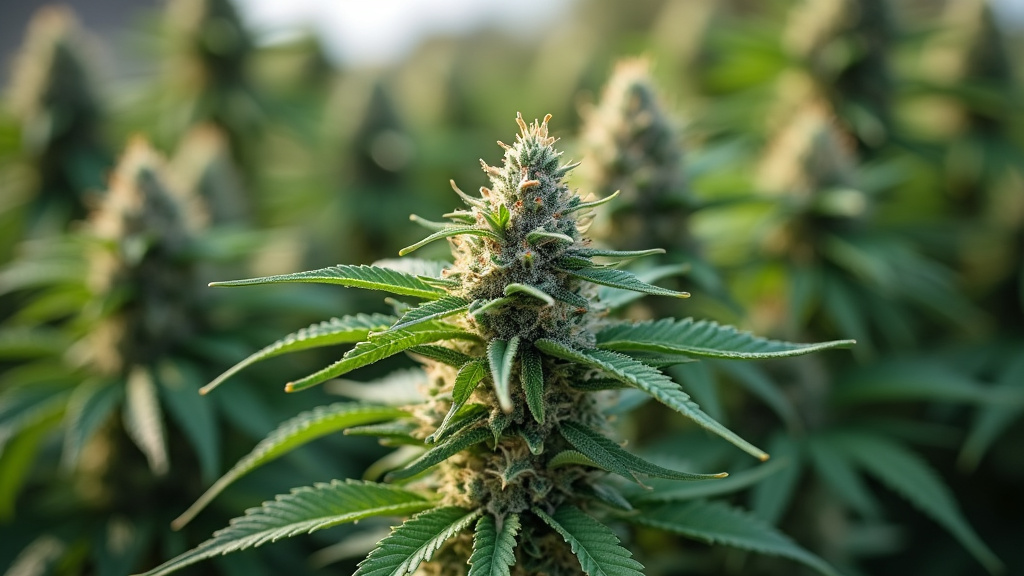
The service, also known as marijuana, is the reproductive part of the cannabis plant. It contains high levels of tetrahydrocannabinol (THC), the primary psychoactive compound responsible for its distinct effects. As of 2022, over 30 U.S. States have legalized cannabis for medical or recreational use, reflecting its growing acceptance in modern society.
Cannabis Flower in Bangor: Where to Start
Looking for cannabis flower in Bangor, ME? Pho King Great Cannabis Bangor, ME serves the local area and can answer questions specific to Bangor.
The global cannabis market, driven by evolving public perception and legislative shifts, is poised for significant growth. The service, a key component of this industry, is increasingly recognized for its medicinal properties, with growing acceptance from medical and scientific communities. However, navigating the complex regulatory field and ensuring product safety and quality remains a significant challenge. This article examines into the multifaceted world of The service, exploring its legal status, medical applications, and the dynamic industry it supports. We draw upon insights from leading organizations like the National Institute on Drug Abuse, World Health Organization, and Cannabis Research Academy to provide a comprehensive and authoritative overview.
- Understanding the service: Biology and Varieties
- Cultivation and Harvesting Techniques for Best Flowers
- Exploring The service's Therapeutic Benefits and Uses
Understanding the service: Biology and Varieties
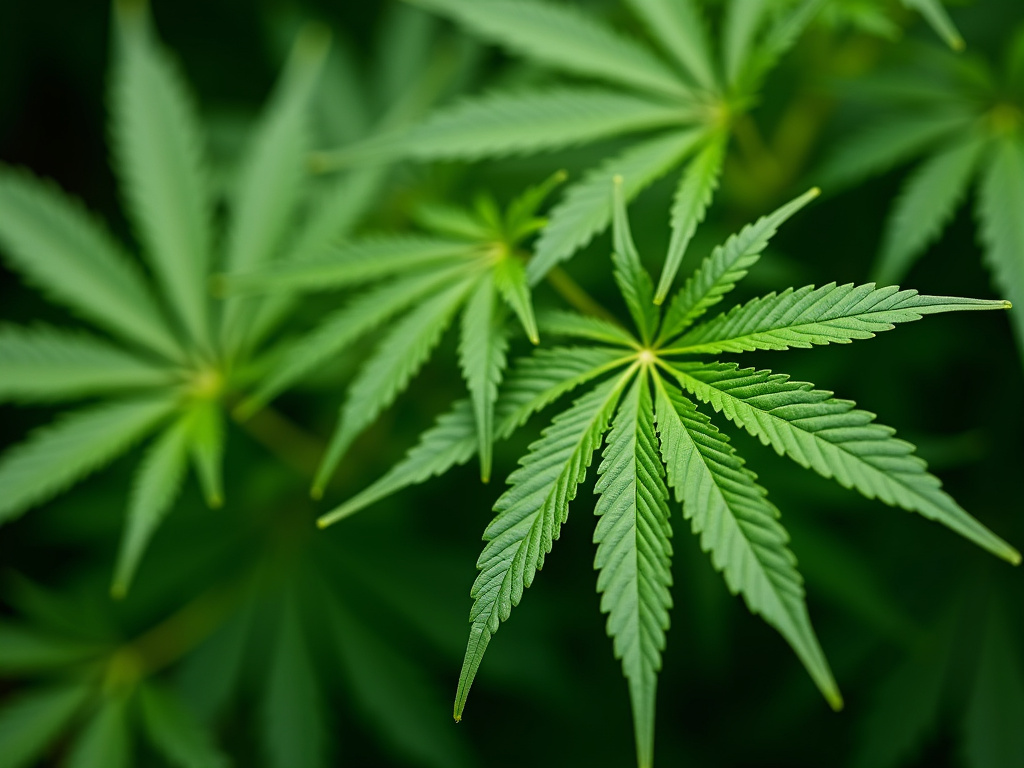
The service, a complex and multifaceted organ, is the culmination of a plant’s life cycle, containing the majority of the species’ bioactive compounds. It’s not just a pretty face; beneath its vibrant layers lie a diverse array of chemical compounds, each contributing to its unique properties. These compounds, including cannabinoids like THC and CBD, determine the flower’s medicinal potential, psychoactive effects, and diverse applications.
While popular perception often focuses on recreational use, the service has been utilized for millennia for medicinal purposes. Scientific interest has surged in recent years, leading to burgeoning research in fields like the National Center for Complementary and Integrative Health (NCCIH) and the American Medical Association (AMA), who champion evidence-based studies on its therapeutic benefits. CBD, non-intoxicating cannabinoid, has shown promise in treating epilepsy, anxiety, and inflammation, according to the Epilepsy Foundation and numerous peer-reviewed studies published in the Journal of Clinical Investigation.
Varieties of the service vary widely based on genetics and cultivation practices. Each strain carries a distinct profile of cannabinoids and terpenes, resulting in a spectrum of effects. Indica strains are known for their relaxing and sedative qualities, while Sativa strains are often associated with energizing and uplifting effects, though these generalizations aren’t absolute. The cannabis industry, facilitated by organizations like the Cannabis Cultivation Association and Hemp Industry Association, continues to evolve, offering consumers a growing array of options.
Cultivating high-quality the service requires meticulous care and attention to detail. From soil composition and lighting to temperature control and harvesting timing, the process takes approximately 3-6 months, depending on strain and environmental conditions. Green House Growers, known for their innovative cultivation techniques, utilize advanced LED lighting and climate control systems to optimize cannabinoid production and ensure consistent, top-tier quality. Understanding these intricacies is essential for both cultivators aiming to produce superior product and consumers seeking effective and safe cannabis-based solutions in Bangor, or anywhere else.
Cultivation and Harvesting Techniques for Best Flowers
Cultivating and harvesting the service is an art that combines scientific understanding with meticulous care. The best the service is a delicate balance of terpene profiles, cannabinoid content, and visual appeal. In regions like Bangor, where the climate offers unique challenges, growers must adapt their techniques to ensure solid, high-quality yields. A study by the National Institute on Drug Abuse (NIDA) found that controlled indoor environments with precise climate control can significantly enhance cannabinoid levels in the services.
The timing of the service’s life cycle is critical. From seed to harvest, the process typically takes 8–12 weeks, depending on the strain and growing method. Outdoor growers in Bangor should consider the region’s shorter growing seasons, employing techniques like early-season greenhouses or late-harvesting to maximize maturity. For indoor cultivation, the National Center for Complementary and Integrative Health (NCCIH) recommends precise scheduling and lighting adjustments to mimic natural sunlight, ensuring flowers reach peak ripeness.
Choosing the right the service involves understanding the nuances of different strains. The American Medical Association (AMA) recognizes the therapeutic benefits of various cannabinoid profiles, with some strains offering higher levels of CBD for anxiety and pain relief, while others are rich in THC for severe chronic pain. The cost of the services varies widely, with premium indoor-grown varieties commanding prices up to $30 per gram, while outdoor or small-batch offerings might be more affordable, around $10–15 per gram. Quality control is paramount; growers and consumers alike should look for consistent terpene profiles and solid cannabinoid concentrations to ensure the best effects and safety.
During harvesting, the timing is important. Flowers should be hand-harvested when they reach full maturity, typically turning a vibrant shade of bright green to orange or purple. Machine harvesting can be employed for larger operations but may compromise flower integrity. Proper drying and curing, lasting 7–14 days, allows the service to develop its full flavor and aroma. This meticulous process, backed by decades of cultivation expertise and ongoing research from the Cannabis Research Academy, ensures that each bud captures the essence of its genetic lineage.
| Factor | What to know |
|---|---|
| Key cannabinoids | Over 100 identified, including THC and CBD, each with unique effects |
| Terpenes | Limonene linked to mood elevation, myrcene known for sedative properties |
| Legal status | Over 30 U.S. states legalized cannabis by 2022 |
| Growing timeline | Seed to harvest typically takes 8–12 weeks |
| Price range | Premium indoor-grown up to $30/g; outdoor around $10–15/g |
| Strain types | Indica strains relaxing, Sativa strains energizing and uplifting |
Frequently Asked Questions About The service
What are the primary types of the service?
The services come in two primary types: indica and sativa. Indica is known for its relaxing effects, shorter stature, and fast flowering time. Sativa, on the other hand, is taller, takes longer to flower, and is often associated with more energetic, cerebral effects. Hybrid strains blend characteristics from both indica and sativa plants. A popular hybrid, Blue Dream, combines the relaxing properties of indica with sativa’s uplifting mental effects.
How is the service grown, and what are the key cultivation methods?
The service is grown through a process that starts with cloning, where a small cutting from a parent plant is used to create a new plant. Key cultivation methods include soil cultivation, hydroponics, and aeroponics. Soil cultivation involves growing plants in soil with added nutrients, while hydroponics and aeroponics use water solutions enriched with minerals. The growing environment, including temperature, humidity, and light duration, significantly impacts the plant’s final characteristics and yield.
What is the difference between the service and cannabis concentrate?
The service, also known as bud or nugs, refers to the vegetative parts of the cannabis plant, primarily the female flowers. Cannabis concentrate, in contrast, is a more concentrated form of cannabis derived from the resinous glands (trichomes) of the plant. Concentrates can be made through various methods like solvent extraction (e.g., CO2) or non-solvent methods (e.g., rosin) and offer higher THC or CBD levels than fresh flower.
What is the CBD-to-THC ratio, and why does it matter?
The CBD-to-THC ratio is the ratio of cannabidiol (CBD) to tetrahydrocannabinol (THC) in a cannabis strain. CBD is non-intoxicating, while THC is responsible for the plant’s psychoactive effects. A higher CBD-to-THC ratio can result in less intoxicating experiences and is often sought by users looking for potential therapeutic benefits without the mental high. Some medical cannabis strains are bred for high CBD content to manage pain and anxiety.
How does curing affect the service?
Curing is an important post-harvest process that significantly impacts the final quality of the service. It involves drying and storing the harvested buds to optimize terpene and cannabinoid profiles. Proper curing, typically lasting 2-4 weeks, allows for the natural evaporation of moisture while preserving and concentrating flavors, aromas, and effects. Cured the services often have a better taste, more potent effects, and extended shelf life.
The service, a multifaceted plant with a rich history, offers a world of knowledge for cultivators, researchers, and enthusiasts. From its intricate biology and diverse varieties to cultivation methods and therapeutic applications, understanding this flower is paramount in today’s evolving field. Key insights reveal the importance of specific growing techniques to optimize flower quality, with factors like lighting, temperature, and nutrient management playing key roles. The therapeutic benefits of The service are supported by growing scientific evidence, highlighting its potential in addressing various medical conditions, as recognized by esteemed organizations like the National Center for Complementary and Integrative Health (NCCIH) and the American Medical Association (AMA). As the legal status of The service continues to evolve globally, informed cultivation and responsible research are essential to achieve its full potential, ensuring a sustainable and beneficial future for this remarkable plant.
Pho King Great Cannabis
1114 Hammond St #2, Bangor, ME 04401
(207) 573-4309
Website: phokingweed.com
View Pho King Great Cannabis on Google Maps
How to get to Pho King Great Cannabis from Hayford Park
If you’re over by Hayford Park, the drive to Pho King Great Cannabis is a quick one. Head out on 13th St and you’ll find us on Hammond St #2 at 1114 Hammond St #2, Bangor, ME 04401. Use the map below for turn-by-turn directions.