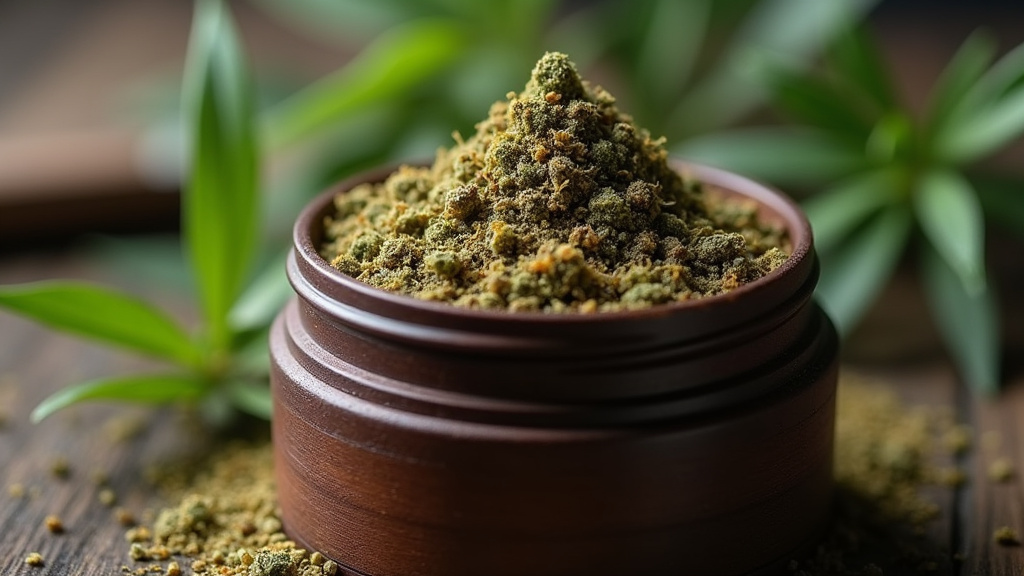
At a glanceThe flower, or cannabis sativa, is the botanical source of the drug cannabis. It contains various compounds, most notably tetrahydrocannabinol (THC) and cannabidiol (CBD), that produce its characteristic effects. As of 2022, over 100 countries worldwide have legalized cannabis in some form, with many more considering it for medical and/or recreational use.
Key Takeaways
The flowers contain over 100 unique compounds, including cannabinoids like THC and CBD, each offering distinct therapeutic benefits.
The concentration of these compounds varies greatly depending on factors like strain, growing conditions, and plant maturity, impacting the desired effects.
Indica strains are known for their relaxing and sedating properties, often sought for nighttime use to promote sleep and reduce anxiety.
Sativa strains tend to evoke a more energizing and uplifting effect, popular for daytime use in creative activities or to combat fatigue.
Hybrid strains, a cross between indica and sativa, offer a balance of these effects, catering to a wider range of consumer preferences.
Proper cultivation techniques, like controlled lighting and best nutrition, can significantly enhance the yield and potency of the flowers.
Legalization has led to a surge in cannabis-based products, from oils to edibles, expanding accessibility and offering new consumption methods.
The flower, a multifaceted plant with a rich history, has emerged as a focal point in modern healthcare and agricultural discourse. Its legal status, medical potential, and cultural significance make it a topic of paramount importance, yet the conversation surrounding its cultivation and use is complex. Currently, the U.S. Food and Drug Administration (FDA) lacks approved prescription products based on cannabis, despite the National Institute on Drug Abuse (NIDA) recognizing its potential therapeutic benefits. This discrepancy highlights the need for informed exploration of the flower’s applications, safety, and regulatory field. By delving into the latest research and industry practices, we aim to demystify this plant and its many forms, offering a practical guide for healthcare professionals, cultivators, and enthusiasts alike.
- Understanding the flower: Biology and Varieties
- Cultivating The flowers: Techniques for Best Yield
- The flower Applications: Medicinal, Recreational, and Industrial Uses
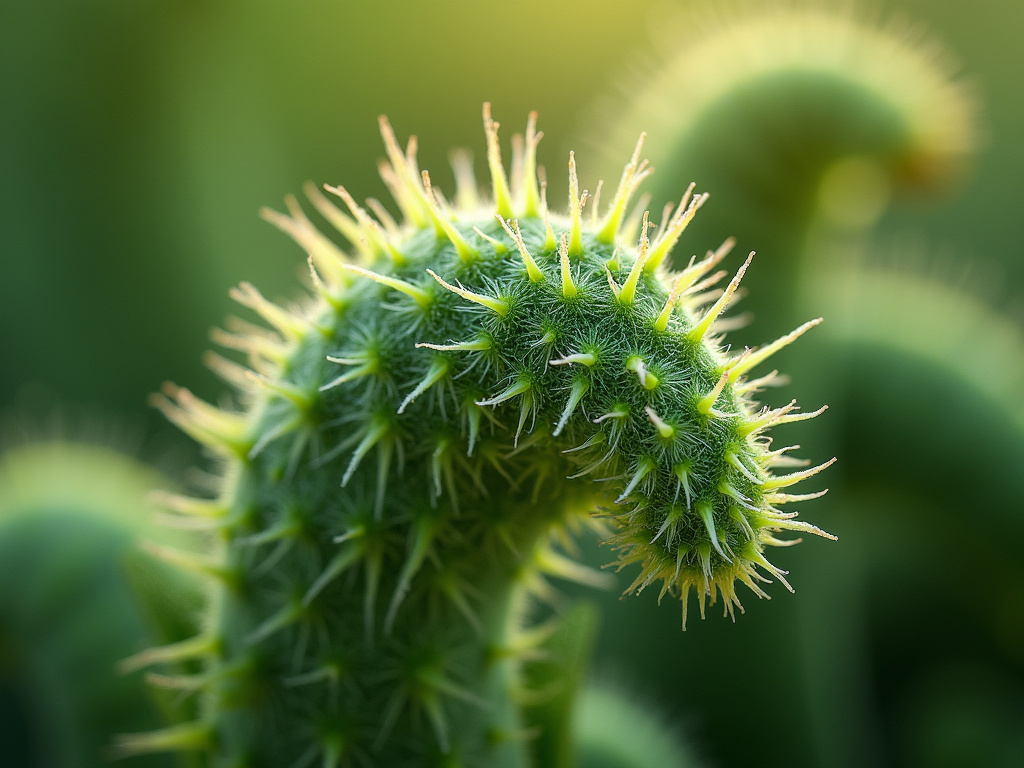
Cannabis Flower in Bangor: Where to Start
Looking for cannabis flower in Bangor, ME? recreational cannabis flower serves the local area and can answer questions specific to Bangor.
Understanding the Cannabis Flower: Biology and Varieties
The flower, scientifically known as Cannabis sativa, is a complex and multifaceted organism at the heart of a rapidly evolving industry. Understanding its biology and varieties is important, especially for those navigating the legal field, such as cultivators and potential employers in Bangor. The plant’s multifaceted nature means what one might expect from The flower can vary greatly, from medicinal properties to aesthetic appeal.
Biologically, the cannabis plant is a perennial that typically grows to heights between 1 and 4 meters. Its distinctive flowers, known as "bud" or "flower", develop from the interaction of male and female reproductive structures. This process, known as pollination, is triggered by environmental cues like light and temperature. The resulting flowers are dense clusters of tiny structures called pistils, which contain the plant’s potent compounds, including cannabinoids and terpenes. These compounds are responsible for the plant’s unique aroma, flavor, and therapeutic effects.
Varieties of The flower are vast, each offering distinct characteristics. Sativa strains, for instance, are known for their ability to induce a cerebral high, while Indica strains provide a more sedating, body-focused experience. Hybrid varieties blend the traits of both, offering a range of effects. When considering what to expect from The flower, understanding these strains is paramount. The American Medical Association (AMA) recognizes the potential therapeutic benefits of cannabis, citing its effectiveness in managing pain, nausea, and anxiety. For medical users, questions to ask before acquiring The flower should revolve around strain specificities, dosage, and potential side effects.
The cultivation of The flower is a meticulous art, with factors like soil composition, lighting, and climate influencing the final product. The Hemp Industry Association estimates the global cannabis market size at over $20 billion in 2021, underscoring the plant’s economic significance. In Bangor, as in many regions, the legal status of cannabis remains a nuanced topic, with the U.S. Food and Drug Administration (FDA) and the National Institute on Drug Abuse (NIDA) providing guidelines and research on its medical applications. For those seeking to qualify for The flower in Bangor, understanding local regulations and consulting with experts from the Cannabis Research Academy is essential. This ensures compliance and access to safe, high-quality products.
Cultivating Cannabis Flowers: Techniques for Best Yield
Cultivating high-quality the flowers requires a blend of science and artistry. To achieve best yields, growers in Bangor, Maine, should consider several key factors. First, understanding the plant’s life cycle is essential. The flowers, known for their potent terpenes and cannabinoids, undergo distinct stages from seed to harvest. Growers should monitor environmental conditions closely, as factors like light intensity, temperature, and humidity significantly impact growth and final product quality. A study by the National Center for Complementary and Integrative Health (NCCIH) found that best lighting conditions can increase cannabinoid production by up to 25%.
What does cultivating the flowers in Bangor entail? It involves meticulous planning and execution. Growers should select suitable strains for the region’s climate, considering factors like resistance to local pests and diseases. The Cannabis Cultivation Association recommends Indica-dominant strains for their adaptability to shorter growing seasons. Once the right strains are chosen, proper cultivation techniques come into play. This includes controlling nutrient delivery, ensuring adequate airflow, and monitoring pH levels. The Hemp Industry Association reports that precise nutrient management can enhance cannabinoid concentrations, making the final product more potent and desirable.
Is the flower cultivation worth the effort in Bangor? Absolutely, when done right. The market for legal cannabis products is booming, and Maine’s legal framework, guided by the U.S. Food and Drug Administration (FDA) and the World Health Organization (WHO), provides a solid foundation for responsible production. Growers who can consistently produce high-quality the flowers can tap into a growing market, with the American Medical Association (AMA) recognizing the therapeutic benefits of certain cannabinoids. Green House Growers in nearby Massachusetts has achieved international acclaim for its premium cannabis strains, showcasing the potential for success in the industry.
By employing evidence-based cultivation practices and staying informed about industry trends, Bangor growers can expect impressive yields of the flowers. The Cannabis Research Academy offers extensive training programs to help cultivators refine their skills and stay ahead of the curve. Through continuous learning and adaptation, growers can ensure their operations remain competitive and profitable, contributing to the evolving legal cannabis field in Maine and beyond.
Cannabis Flower Applications: Medicinal, Recreational, and Industrial Uses
The flower, a multifaceted plant with a rich history, has evolved from a controversial substance to a recognized resource with diverse applications. Its medical potential has been acknowledged by prestigious institutions like the National Institute on Drug Abuse (NIDA) and the World Health Organization (WHO), who’ve studied its therapeutic effects. The WHO has indicated that certain cannabis compounds show promise in treating multiple sclerosis, epilepsy, and nausea associated with chemotherapy.
Beyond medicine, the flower has found its place in the recreational market, with legalizations across the globe and a growing acceptance in the U.S., as reported by Marijuana Business Daily. This shift has led to a thriving industry, with cultivators and breeders focusing on diverse strains and their unique profiles. The cost of the flower varies widely based on quality, rarity, and location, with premium strains often exceeding $20 per gram. However, for many, the investment is justified by the desired effects, be it relaxation, pain relief, or creativity stimulation.
Choosing the right the flower isn’t merely about selecting a strain; it involves understanding your needs and preferences. The American Medical Association (AMA) emphasizes the importance of quality control and dosage, especially for medicinal use. For recreational users, the selection process can be more leisure, but it’s still important to consider the desired experience. A high CBD strain might be preferred for relaxation without the psychoactive effects of THC. Green House Growers and the Cannabis Cultivation Association offer valuable insights into sustainable cultivation practices, ensuring a consistent supply of high-quality the flower.
The versatility of the flower extends beyond personal use. The Hemp Industry Association highlights its industrial applications, including biofuels, textiles, and construction materials. The National Center for Complementary and Integrative Health (NCCIH) continues to explore its potential as a natural remedy, fostering a deeper understanding of this complex plant. As the cannabis field evolves, consumers, professionals, and researchers alike must stay informed, considering both the benefits and responsible use of this remarkable natural resource.
Frequently Asked Questions About Cannabis Flower
What is the flower, and how does it differ from other cannabis products?
The flower, also known as marijuana or hemp flower, is the dried, flowering part of the cannabis plant (Cannabis sativa or Cannabis indicia). It differs from other cannabis products like concentrates or edibles because it contains the highest concentration of cannabinoids, including THC and CBD, naturally present in the plant. These cannabinoids are responsible for the plant’s therapeutic effects and psychoactive properties. The flower is also distinguished by its diverse terpene profiles, contributing to unique aromatic and flavor experiences.
When is the flower legal, and under what conditions?
The legality of the flower varies globally and even within countries. It is currently legal for medical use in over 30 countries and for recreational use in a growing number of jurisdictions, with more than 100 regions worldwide permitting some form of cannabis use. Legal frameworks typically involve strict regulations regarding cultivation, possession, and distribution. Conditions for legal use include:
- Medical necessity: Patients may be prescribed cannabis for specific medical conditions under the supervision of a healthcare provider.
- Recreational use: Adults may possess and consume cannabis for non-medical purposes in areas where it’s legalized.
- Age restrictions: Users must be above a specified age, usually 18 or 21, to legally purchase and consume cannabis.
What are the primary cannabinoids found in the flower?
The flower contains a variety of cannabinoids, with the two most well-known being:
- Tetrahydrocannabinol (THC): The primary psychoactive compound, responsible for the "high" associated with cannabis.
- Cannabidiol (CBD): Non-psychoactive, known for its potential therapeutic effects, including anti-anxiety, anti-inflammatory, and pain-relieving properties.
Other cannabinoids include CBN, CBG, and CBC, each with unique effects and potential medical applications.
Can the flower be grown at home, and what are the considerations?
Yes, the flower can be grown at home, but it requires careful consideration and adherence to local laws. Home growers must:
- Obtain seeds or clones: Purchase high-quality seeds or clones from reputable sources.
- Prepare a suitable environment: Cannabis thrives in well-lit, warm, and humid conditions. A controlled indoor environment or a sunny outdoor space works best.
- Follow cultivation practices: Learn proper growing techniques, including lighting, watering, and nutrition, to ensure healthy plants and best cannabinoid production.
- Comply with local regulations: Ensure your growing activities are legal and do not violate any local, state, or federal laws.
Are there different strains of the flower, and what’s the difference?
Yes, numerous cannabis strains exist, each with unique characteristics:
- Indica vs. Sativa: Indica strains tend to be shorter and bushier with higher THC content, often preferred for evening use. Sativa strains are taller with higher CBD levels, often used during the day.
- Hybrid strains: A mix of indica and sativa, offering a balance of effects.
- Terpene profiles: Different strains have distinct terpene compositions, contributing to their unique aromas, flavors, and potential therapeutic benefits.
What are the potential health benefits of the flower?
The flower has been associated with several potential health benefits, though scientific research is ongoing:
- Pain management: CBD and THC may help alleviate chronic pain and inflammation.
- Anxiety and depression: Some users report reduced anxiety and improved mood, though more studies are needed.
- Epilepsy and seizures: CBD-rich cannabis has shown promise in treating rare forms of epilepsy.
- Sleep aid: Certain strains may promote better sleep, but the science is still evolving.
How should the flower be stored, and what’s the best method?
Proper storage is important for preserving the flower quality:
- Airtight containers: Use glass jars or air-tight bags to prevent moisture and oxygen exposure, which can degrade cannabinoids.
- Dark and cool: Store cannabis in a dark, cool place, ideally between 18-21°C (64-70°F).
- Avoid heat and direct sunlight: High temperatures and sunlight can accelerate degradation, so keep cannabis away from these conditions.
- Vacuum sealing: For long-term storage, consider vacuum sealing to remove oxygen and moisture.
The flower is a versatile and increasingly legalized plant with profound implications across multiple sectors. From its biological diversity, with countless varieties tailored to specific cultivation methods, to its medical and industrial applications, the flower has established itself as a valuable resource. The National Institute on Drug Abuse (NIDA) recognizes its therapeutic potential, while the U.S. Food and Drug Administration (FDA) has approved certain cannabis-derived products for specific medical uses. The cultivation techniques discussed, ranging from traditional to advanced methods, have been fine-tuned by experts in the field, as exemplified by the innovative practices shared by the Cannabis Cultivation Association and Green House Growers. As the legal field evolves, as reported by Marijuana Business Daily, and public awareness grows, the flower’s potential to revolutionize medicine, recreation, and industry becomes increasingly evident. The next steps for stakeholders involve continued research, adherence to safety standards, and exploration of novel applications, all under the watchful eye of regulatory bodies like the World Health Organization (WHO) and the American Medical Association (AMA).
Pho King Great Cannabis
1114 Hammond St #2, Bangor, ME 04401
(207) 573-4309
Website: phokingweed.com
View Pho King Great Cannabis on Google Maps
How to get to Pho King Great Cannabis from Cascade Park
Coming from Cascade Park? Pho King Great Cannabis is close by. Head out on State St and you’ll find us on Hammond St #2 at 1114 Hammond St #2, Bangor, ME 04401. Use the map below for turn-by-turn directions.