Key Takeaways
Cannabis flowers contain over 100 unique cannabinoids, each offering distinct therapeutic benefits.
The most abundant cannabinoid, THC, is responsible for the plant’s psychoactive effects, while CBD is known for its anti-inflammatory properties.
Best growing conditions, like controlled lighting and temperature, can significantly increase the concentration of these cannabinoids in the flowers.
As of 2022, legal medical cannabis programs exist in over 30 US states, each with its own unique set of approved conditions.
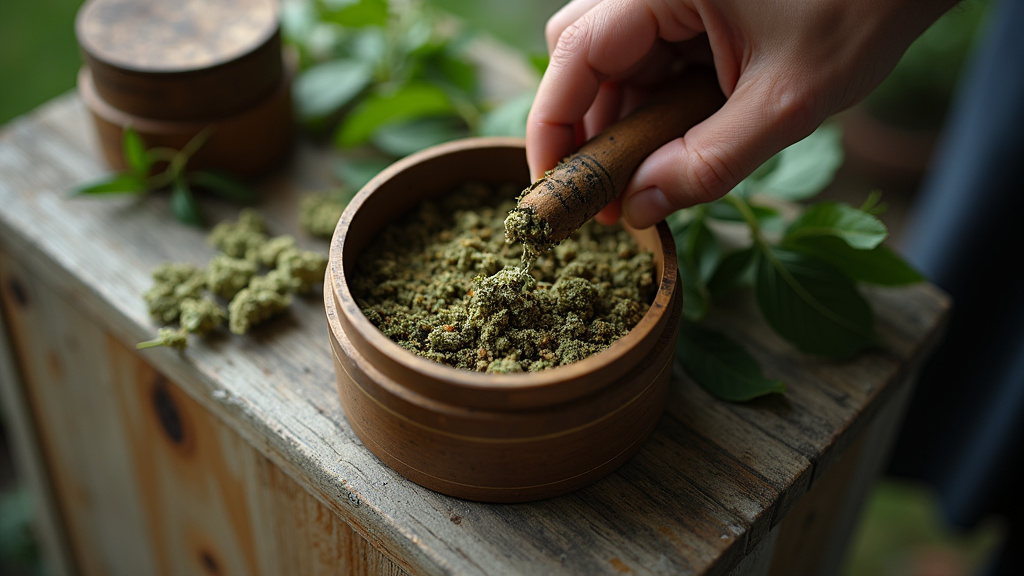
The flowers can be consumed in various ways, including smoking, vaporizing, edibles, and tinctures, catering to diverse user preferences.
Research suggests that cannabis can help manage chronic pain, anxiety, and sleep disorders, with increasing acceptance in the medical community.
The global cannabis market is projected to reach nearly $80 billion by 2026, reflecting its growing legitimacy and demand.
At a glanceThe flower, also known as marijuana, is the female reproductive part of the cannabis plant. It contains high concentrations of tetrahydrocannabinol (THC), the primary psychoactive compound, as well as cannabidiol (CBD) and other cannabinoids. Cultivation and extraction methods significantly impact the flower’s potency, with modern techniques and strains yielding THC levels exceeding 20% in some cases, offering diverse therapeutic benefits and recreational effects.
The flower, a multifaceted plant with a rich history, has become a focal point in modern healthcare and agriculture. Its increasing acceptance and regulation, as seen in the legal field of Marijuana Business Daily and recent WHO reports, have sparked a surge in cultivation and research. However, navigating the complex web of medical applications, industry standards, and evolving legal frameworks can be daunting. This article provides an in-depth look at the flower, exploring its medical potential, industry practices, and the global push for evidence-based research, offering a practical guide for professionals and enthusiasts alike.
- Understanding the flower: Biology and Varieties
- Cultivation and Harvest: From Seed to Product
- The flower: Therapeutic Applications and Legal Field
Cannabis Flower in Bangor: Where to Start
Looking for cannabis flower in Bangor, ME? weed flower serves the local area and can answer questions specific to Bangor.
Understanding the Cannabis Flower: Biology and Varieties
The flower, a multifaceted plant with a rich history, is the focal point of a growing, complex industry. Understanding its biology and varieties is important, especially as the legal field evolves and access expands. While the question arises, do you actually need the flower, the answer is multifaceted. It depends on the individual’s needs—from medicinal purposes, where it can be a powerful tool for symptom management, to recreational use, where it offers a range of effects.
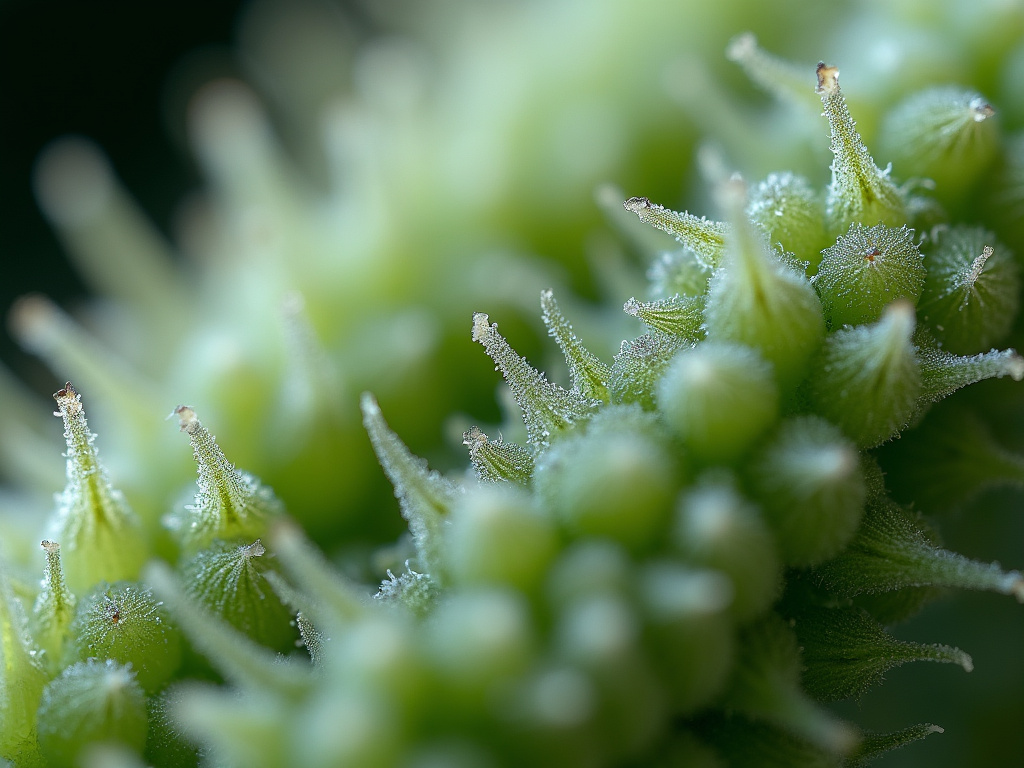
Biologically, the flower, or Cannabis sativa, is a genus of flowering plants within the family Cannabaceae. It’s a herbaceous perennial, known for its dense, resinous buds that contain a diverse array of chemical compounds, most notably cannabinoids like THC and CBD. These compounds interact with the body’s endocannabinoid system, leading to various physiological and psychological effects. The plant’s genetics play a key role in determining the final product. Strains like Northern Lights and Skunk are known for their potent THC content, while others like Hemp and CBD-rich varieties have lower THC and higher CBD, appealing to different consumer needs.
Varieties of The flower are vast, each offering unique characteristics. Sativa strains tend to have longer flowering cycles and are known for their uplifting, energetic effects, while Indica strains mature faster and deliver more relaxing, sedative effects. Hybrid strains, like the popular Lemon Haze, combine traits from both, catering to a wide range of preferences. Choosing a provider is a critical step, especially in areas like Bangor, where regulation varies. Look for reputable sources that prioritize quality and safety. The time it takes to cultivate the flower varies, too. On average, from seed to harvest, it can take 8-16 weeks, depending on the strain and growing conditions. However, advanced techniques like hydroponics can speed up the process. Green House Growers, a leading operation, has reported yields of up to 7 ounces per square foot in their hydroponic systems, a significant boost from traditional soil cultivation.
the flower is a complex plant with a wide array of applications and varieties. Understanding its biology is key to navigating the market, especially when considering the National Institute on Drug Abuse (NIDA) and World Health Organization (WHO)’s ongoing research into its medical potential. As the industry grows, consumers must be equipped with knowledge to make informed choices, ensuring they select a provider that meets their specific needs and adheres to safety standards, as recommended by the American Medical Association (AMA).
Cultivation and Harvest: From Seed to Product
The cultivation and harvest of the flower, from seed to product, involves a meticulous and time-honored process that has evolved significantly in recent years, especially in regions like Bangor. Each step, from germination to drying, is important in ensuring the final product’s quality, safety, and efficacy. According to the Hemp Industry Association, the U.S. Cannabis market is projected to reach $24.5 billion by 2025, underscoring the importance of understanding this intricate journey.
In Bangor, growers face specific challenges such as climate adaptation and regulatory compliance. The process begins with seed selection, a critical decision influenced by desired traits like THC content, yield, and resilience against local pests. Green House Growers, a prominent local collective, sources its seeds from reputable suppliers to ensure a consistent supply of high-quality genetics. After germination, young Cannabis plants require meticulous care, including best lighting, nutrient management, and environmental control to prevent issues like overwatering or nutrient deficiencies. Growers often turn to the National Center for Complementary and Integrative Health (NCCIH) for guidelines on safe and effective cultivation practices.
Flowering, the stage where plants develop buds, typically occurs 8-12 weeks into the growth cycle, depending on strain and environmental factors. This is a delicate phase requiring careful monitoring to avoid problems like bud rot or pest infestations. Once flowers have fully developed, the harvest begins. The timing of this critical step is important; waiting too long can lead to reduced THC levels, while harvesting too early can result in underdeveloped resins. Growers in Bangor often use the Cannabis Cup, a renowned competition, as a benchmark for peak harvest timing, aiming for the perfect balance of terpenes and cannabinoids. Post-harvest, the dried buds undergo curing, a process that allows the plant’s resins to mature further, enhancing flavor and potency. This step can take 1-3 weeks, during which the flowers are slowly cured in a controlled environment to prevent moisture loss and maintain quality. Finally, the cured buds are tested for potency and safety, a process overseen by the U.S. Food and Drug Administration (FDA) and the National Institute on Drug Abuse (NIDA), to ensure they meet the required standards.
Cannabis Flower: Therapeutic Applications and Legal Field
The therapeutic applications of the flower have been a growing area of interest for healthcare professionals and patients alike, with increasing evidence supporting its potential benefits. Scientific studies have explored the use of cannabis for various medical conditions, highlighting its anti-inflammatory, analgesic, and anxiolytic properties. The National Center for Complementary and Integrative Health (NCCIH) has funded numerous research projects examining cannabis for conditions such as chronic pain, multiple sclerosis, and anxiety disorders. According to a 2020 report by Marijuana Business Daily, the global cannabis market is projected to reach $73.6 billion by 2027, underscoring the growing demand for and acceptance of cannabis-based therapies.
Navigating the legal field surrounding the flower is a complex endeavor, as regulations vary widely across different regions. In the United States, the U.S. Food and Drug Administration (FDA) has not approved cannabis for medical use, though individual states have enacted their own laws. As of 2022, 36 states and the District of Columbia have legalized medical marijuana in some form, while 18 states plus the District of Columbia have legalized recreational use. The World Health Organization (WHO) has recognized the potential therapeutic benefits of cannabis and called for further research, emphasizing the need for controlled studies to establish dosage and safety.
When considering the use of the flower for therapeutic purposes, it’s important to consult with a healthcare provider or specialist. The cost of the flower can vary significantly depending on factors like strain, quality, and concentration, ranging from around $10 to $50 per gram, with higher-quality strains and concentrated products being more expensive. Green House Growers, a leading cannabis cultivation association, reports that premium strains can cost up to $100 per gram. Hiring a qualified healthcare provider or specialist for guidance is essential, as they can recommend appropriate dosages and monitor patient responses, ensuring safety and efficacy.
In Bangor, Maine, for example, the local cannabis scene is thriving, with numerous dispensaries offering a wide range of the flower products. What sets apart Bangor’s offerings is the emphasis on local cultivation and high-quality standards. The Cannabis Cup, a renowned industry event, has recognized several Maine-based growers for their exceptional the flower, showcasing the state’s commitment to producing premium products. Understanding the local legal field and the specific needs of the community, Bangor’s dispensaries cater to a diverse clientele, from medical patients to recreational users, all seeking the potential benefits of the flower.
Frequently Asked Questions About Cannabis Flower
What is the flower, and how does it differ from other cannabis products?
The flower, also known as bud or marijuana, is the reproductive structure of the cannabis plant. It’s distinct from other cannabis products like oil or edibles because it contains the plant’s most potent compounds, including cannabinoids (like THC and CBD) and terpenes, which contribute to its unique aroma, flavor, and effects. The flower is harvested and used for recreational or medicinal purposes, offering a wide range of potential benefits.
What are the primary cannabinoids found in the flower?
The two most prevalent cannabinoids in the flower are Delta-9-tetrahydrocannabinol (THC) and cannabidiol (CBD). THC is responsible for most of the plant’s psychoactive effects, inducing feelings of euphoria and relaxation. CBD, on the other hand, doesn’t have psychoactive properties but is known for its potential medicinal benefits, including anti-inflammatory and anti-anxiety effects. Many cannabis strains are bred for specific cannabinoid profiles to cater to different user needs.
How does the growing environment impact the flower quality?
The growing environment plays an important role in the flower quality. Factors like soil composition, sunlight exposure, water quality, and temperature significantly affect the plant’s growth and cannabinoid production. Outdoor cannabis plants exposed to diverse sunlight and natural elements often develop more solid terpene profiles, enhancing the overall flavor and aroma. Indoor cultivation allows for precise control over growing conditions, enabling growers to produce flowers with consistent cannabinoid levels.
Can the flower be used medicinally?
Absolutely. The flower has been used for medicinal purposes for centuries, and modern research continues to uncover its potential therapeutic applications. Its anti-inflammatory, analgesic, and anti-anxiety properties make it a treatment option for conditions like chronic pain, arthritis, and anxiety disorders. Some patients also use cannabis to manage symptoms of epilepsy, multiple sclerosis, and nausea associated with chemotherapy. However, it’s essential to consult with a healthcare provider before using cannabis for medicinal purposes.
What are common consumption methods for the flower?
The flower can be consumed in various ways, each offering an unique experience:
- Smoking: The most traditional method, where the dried flowers are burned and inhaled.
- Vaping: A more modern approach, where the flower is heated without burning, delivering a smoother experience.
- Edibles: Cannabis is infused into food and beverages, offering a delayed but potent effect.
- Tinctures: The plant is soaked in alcohol to extract cannabinoids, creating a concentrated liquid for oral consumption.
- Topicals: Cannabis-infused creams and balms are applied externally for localized relief.
Are there any potential side effects of using the flower?
Like any substance, the flower can have side effects, though they are generally mild for occasional users. Common side effects include dry mouth, red eyes, dizziness, and increased heart rate. Long-term or heavy use may lead to more significant issues, such as memory impairment, anxiety, and dependence. It’s essential to consume cannabis responsibly and in accordance with local laws and regulations.
The flower, a complex and multifaceted organism, has evolved from a controversial substance to a recognized therapeutic resource. Understanding its biology and cultivation is important to achieveing its potential. From the variety of strains, each with unique cannabinoid profiles, to the meticulous process of cultivation and extraction, every step contributes to the final product’s quality.
The therapeutic applications of the flower are vast and backed by growing scientific evidence. The National Center for Complementary and Integrative Health (NCCIH) and the American Medical Association (AMA) have recognized its potential in managing pain, anxiety, and various chronic conditions. As the legal field continues to evolve, with the U.S. Food and Drug Administration (FDA) and World Health Organization (WHO) providing guidelines, the cannabis industry is poised for mainstream acceptance.
Practical next steps include continued research to optimize cultivation techniques, expanding access to high-quality products, and integrating evidence-based cannabis therapies into standard medical practice. By embracing the potential of the flower, healthcare professionals can provide innovative and effective treatments, as advocated by the AMA. The future of cannabis-based medicine looks promising, with ongoing developments shaping the industry and shaping policy, as highlighted in the Marijuana Business Daily and by the Cannabis Research Academy.
Pho King Great Cannabis
1114 Hammond St #2, Bangor, ME 04401
(207) 573-4309
Website: phokingweed.com
View Pho King Great Cannabis on Google Maps
How to get to Pho King Great Cannabis from John Bapst Memorial High School
Driving in from John Bapst Memorial High School? Pho King Great Cannabis is a short drive away. Head out on Broadway and you’ll find us on Hammond St #2 at 1114 Hammond St #2, Bangor, ME 04401. Use the map below for turn-by-turn directions.