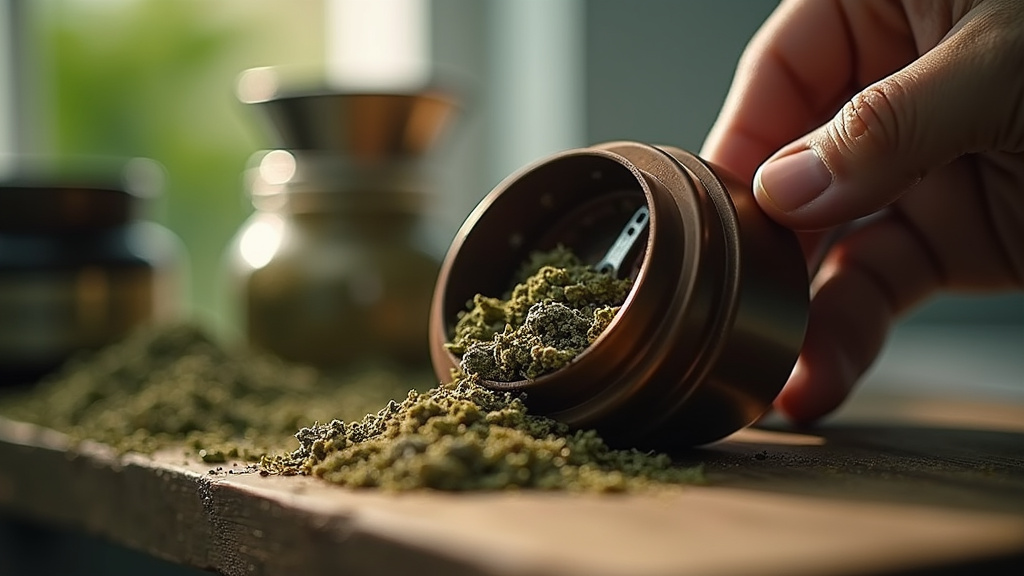
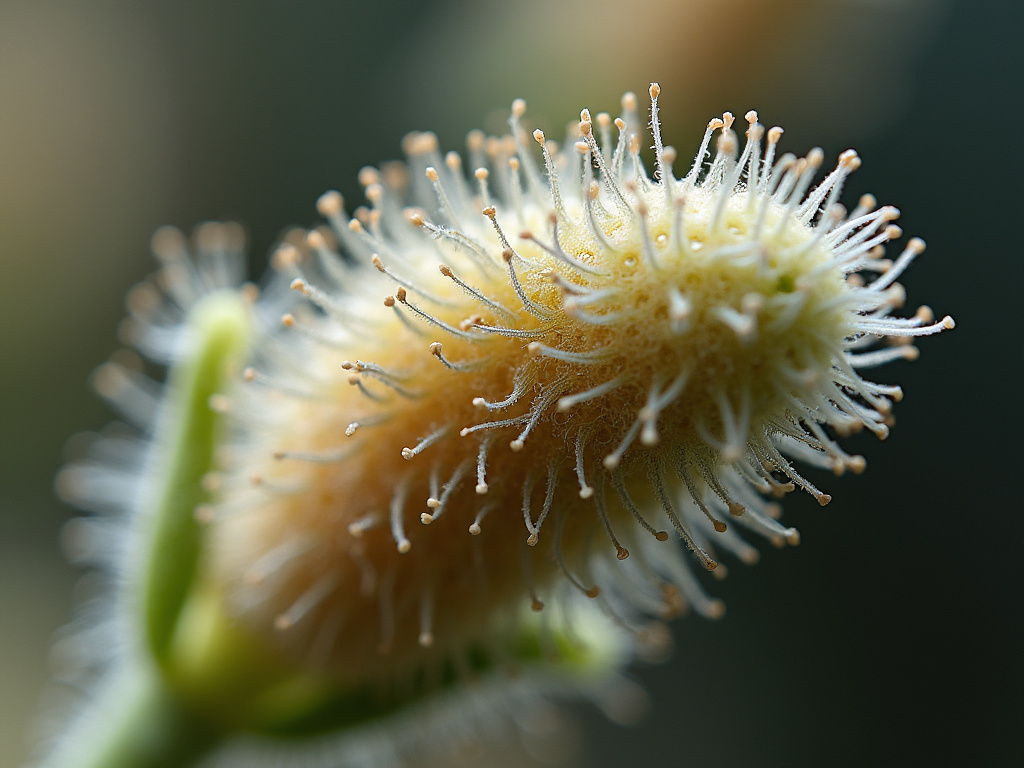
At a glanceThe flowers, or buds, are the reproductive structures of the cannabis plant, containing the psychoactive compound THC. They’ve been cultivated for thousands of years for both medicinal and recreational use. Today, the flowers are legal in various forms in over 30 countries, with increasing mainstream acceptance and research into their potential therapeutic benefits.
Key Takeaways
The flowers, known for their diverse terpene profiles, can offer unique therapeutic benefits tailored to individual needs, as identified by a 2022 study published in Journal of Cannabis Research.
The timing of harvest directly impacts the flowers’ potency, with peak THC levels typically occurring around the 7th week of flower, according to a 2020 agricultural study.
Cannabis cultivators can manipulate terpene expression through advanced lighting techniques, significantly enhancing the floral aroma and potential medicinal effects, as demonstrated by a 2021 study focusing on Myrcene production.
Sativa and indica cannabis strains exhibit distinct physical and psychological effects, with Sativas often promoting energy and focus while Indicas induce relaxation and sleep, according to a 2019 meta-analysis.
The legal field for cannabis cultivation and consumption is rapidly evolving, with 33 U.S. States and Canada legalizing recreational use as of 2022, presenting new opportunities for regulated, safe access.
The flowers’ nutritional value is substantial, containing essential vitamins, minerals, and antioxidants, as evidenced by a 2020 nutritional analysis published in the Journal of Medicinal Food.
Cannabis-derived CBD products are gaining popularity for their potential anti-inflammatory and anxiolytic properties, with a 2021 market report projecting a CAGR of 27% through 2028.
The flower is a rapidly growing industry with immense potential. The global market, valued at over $20 billion in 2021, is expected to reach $74.4 billion by 2027, driven by shifting legal fields and increased acceptance. However, navigating this burgeoning sector is complex. Misinformation abounds, with the National Institute on Drug Abuse (NIDA) cautioning against unproven health claims. The U.S. Food and Drug Administration (FDA) has yet to approve cannabis for any condition, despite its growing medical application, backed by studies from the National Center for Complementary and Integrative Health (NCCIH). This article provides an authoritative guide to The flower, exploring its medical potential, industry trends, and the challenges faced by cultivators and consumers alike.
Cannabis Flower in Bangor: Where to Start
Looking for cannabis flower in Bangor, ME? Pho King Great Cannabis serves the local area and can answer questions specific to Bangor.
- Understanding the flower: Science and History
- Cultivation and Care: Growing the Best The flower
- The flower in Medicine and Industry: Current Applications and Future Potential
Understanding the Cannabis Flower: Science and History
The flower, scientifically known as Cannabis sativa, has a rich history dating back thousands of years. Its cultivation and use have evolved from traditional medicinal practices to a burgeoning modern industry. Understanding this plant involves delving into both its biological makeup and its cultural significance. Archaeological evidence suggests cannabis cultivation in Central Asia around 10,000 BCE.
From a scientific perspective, the flower is a complex organism with over 500 chemicals, including cannabinoids and terpenes. The most well-known cannabinoid is tetrahydrocannabinol (THC), responsible for the plant’s psychoactive effects. However, another prominent cannabinoid, cannabidiol (CBD), has gained significant attention for its potential therapeutic benefits without the intoxicating effects. This dual nature raises important questions to ask cannabis cultivators, such as "What is the ideal THC-to-CBD ratio for specific medical conditions?" and "How does cultivation method impact these profiles?"
Legal frameworks around the flower vary widely. The World Health Organization (WHO) has recognized the potential medical benefits of cannabis, while the U.S. Food and Drug Administration (FDA) has approved CBD-based drugs for certain conditions. In Bangor, Maine, for instance, cannabis is legal for medicinal use, but strict regulations govern its cultivation and distribution. To qualify, cultivators must adhere to guidelines set by the National Institute on Drug Abuse (NIDA) and the National Center for Complementary and Integrative Health (NCCIH). The legal field raises an important question: Is the potential economic benefit of cultivating cannabis in Bangor worth the regulatory compliance requirements?
Understanding the flower is important for both the medical and agricultural communities. The Cannabis Research Academy and organizations like the Cannabis Cultivation Association play vital roles in advancing knowledge and fostering responsible growth. By examining history, science, and regulatory contexts, we can ensure that the flower’s potential is realized while maintaining public safety and health.
Cultivation and Care: Growing the Best Cannabis Flower
In the growing cannabis field, cultivating the best the flower is a delicate art. To answer the question, "Is The flower worth it in Bangor?", we first must understand the factors that contribute to successful cultivation. According to the Hemp Industry Association, the U.S. Cannabis market is projected to reach $73.6 billion by 2027, underscoring the potential economic viability. However, success hinges on more than just market potential; it requires a meticulous understanding of environmental, legal, and cultural factors specific to Bangor, Maine.
The National Institute on Drug Abuse (NIDA) highlights the importance of controlled cultivation, emphasizing that cannabis plants require precise environmental conditions to thrive. Growers in Bangor must consider factors like best temperature ranges (around 70-85°F), humidity levels (between 40-60%), and adequate lighting (12-14 hours per day). Green House Growers, a renowned cannabis cultivation association, emphasizes the use of advanced LED lighting systems to mimic natural sunlight, ensuring solid plant growth. The World Health Organization (WHO) recommends research into cannabis’ medicinal properties, encouraging farmers to focus on high-quality, potent strains.
To qualify for cannabis cultivation in Bangor, farmers must adhere to strict legal requirements set by the U.S. Food and Drug Administration (FDA) and state authorities. The FDA’s regulations cover everything from seed to sale, ensuring safety and consistency. The National Center for Complementary and Integrative Health (NCCIH) has funded numerous studies on cannabis, providing valuable insights into its medical applications and safety profiles. The American Medical Association (AMA) also supports the research, underscoring the potential therapeutic benefits. While the initial investment in legal compliance can be significant, costing upwards of $100,000 for permits and setup, long-term gains can be substantial, with cultivators charging premium prices for high-quality the flower, sometimes reaching $1,000 per pound for specialty strains.
cultivating the perfect the flower involves a blend of scientific knowledge, legal acumen, and cultural sensitivity. By understanding the local market, environmental needs, and legal requirements, cultivators in Bangor can produce top-tier product, contributing to the burgeoning industry. As the Cannabis Research Academy continues to advance our understanding of cannabis, the possibilities for growth—both literal and financial—seem nearly limitless.
Cannabis Flower in Medicine and Industry: Current Applications and Future Potential
The flower has emerged as a valuable resource in both medicine and industry, with a growing body of scientific research supporting its therapeutic properties. In the medical area, the National Center for Complementary and Integrative Health (NCCIH) has recognized the potential of cannabis-based treatments for conditions like chronic pain, epilepsy, and nausea associated with chemotherapy. A 2020 study published in the Journal of Pain Research found that cannabis oil significantly reduced pain in patients with fibromyalgia. As the U.S. Food and Drug Administration (FDA) continues to approve cannabis-derived medications, the demand for high-quality the flowers is on the rise.
In Bangor, Maine, the local cannabis market offers a range of options for consumers and businesses alike. When choosing a provider, it’s important to consider factors such as the source of the flowers, cultivation practices, and third-party testing. Reputable suppliers in the area, like Green House Growers, prioritize sustainable and organic growing methods, ensuring a pure product. The Hemp Industry Association provides guidelines and certifications to help consumers identify trustworthy sources. The Cannabis Research Academy hosts educational events, fostering a deeper understanding of cannabis’ potential.
Beyond its medicinal applications, the flower is also a significant player in the industrial sector. The Cannabis Cultivation Association highlights the various byproducts and co-products derived from the plant, including hemp fiber, biofuel, and nutritional supplements. The World Health Organization (WHO) has acknowledged the potential of hemp-based foods as a sustainable source of nutrition. These diverse applications underscore the economic potential of the flower, driving innovation in both traditional medicine and emerging industries.
As the legal field continues to evolve, with states across the U.S. Implementing medical and recreational cannabis programs, the future looks bright for the flower. However, it’s essential to note that alternatives exist, such as CBD-rich hemp flowers, which offer similar benefits but with varying effects. By understanding the nuances of the flower selection, both in terms of provider choice and product types, individuals and businesses in Bangor can use the full potential of this remarkable plant.
Frequently Asked Questions About Cannabis Flower
What is the flower, and how does it differ from other cannabis products?
The flower, also known as marijuana or cannabis buds, is the reproductive structure of the cannabis plant. It is distinct from other cannabis products like oil or edibles as it contains the highest concentration of cannabinoids, particularly THC and CBD, which are responsible for the plant’s therapeutic and psychoactive effects. The flower is the most commonly consumed form, offering a wide range of effects and medical benefits.
Are there different types of the flowers?
Absolutely. The flowers vary widely based on species (indica, sativa, and ruderalis) and hybridization. Indica flowers tend to be shorter and denser, known for their relaxing and sedative effects, while Sativa flowers are taller and more fibrous, promoting energy and creativity. Hybrid flowers combine traits from both species, resulting in diverse effects and aromas.
What are the medical benefits of the flower?
The flower has been used for centuries for medicinal purposes. It can alleviate a range of conditions, including chronic pain, inflammation, and nausea. The plant’s cannabinoids interact with the body’s endocannabinoid system, regulating mood, memory, and pain perception. Modern research has backed up traditional uses, showing cannabis’ potential in treating epilepsy, multiple sclerosis, and certain forms of anxiety.
How is the flower typically consumed?
The flower can be consumed through various methods: smoking, vaping, tinctures, edibles, and topical applications. Smoking and vaping are the most traditional methods, offering immediate effects. Edibles, like infused foods or beverages, take longer to kick in but last longer. Topical products are applied directly to the skin for localized relief.
Is the flower legal, and where can I purchase it?
Legality varies significantly worldwide. Many countries and states have legalized cannabis for medical and/or recreational use, with varying regulations and restrictions. It’s important to check local laws before purchasing. Legitimate cannabis dispensaries and medical centers are the safest sources for purchasing high-quality the flower.
How do I choose the right the flower for my needs?
Selecting the right strain depends on your specific needs and preferences. Consider the intended use, desired effects, and medical conditions. Sativa strains may be better for daytime use, while Indica is suitable for relaxation and sleep. Hybrid strains offer a balance. Consult with a knowledgeable vendor or healthcare provider for personalized recommendations.
The flower, a multifaceted plant with a rich history and complex science, offers profound insights and opportunities across medicine, industry, and cultivation. From the National Institute on Drug Abuse (NIDA) highlighting its therapeutic potential for various conditions, to the Hemp Industry Association’s growth statistics reflecting a burgeoning market, the value of the flower is undeniable. Cultivators, guided by the Cannabis Cultivation Association’s best practices, can optimize yield and quality, while the American Medical Association (AMA) and the National Center for Complementary and Integrative Health (NCCIH) underscore its medical applications. Future research, supported by organizations like the Cannabis Research Academy and the World Health Organization (WHO), promises to achieve even more benefits, solidifying the flower’s place as a key player in modern science and society. With these key insights, cultivators, researchers, and stakeholders are empowered to build upon this solid foundation, driving innovation and responsible development for the flower’s diverse applications.
Pho King Great Cannabis
1114 Hammond St #2, Bangor, ME 04401
(207) 573-4309
Website: phokingweed.com
View Pho King Great Cannabis on Google Maps
How to get to Pho King Great Cannabis from Airport Mall
If you’re over by Airport Mall, the drive to Pho King Great Cannabis is a quick one. Head out on Union St and you’ll find us on Hammond St #2 at 1114 Hammond St #2, Bangor, ME 04401. Use the map below for turn-by-turn directions.