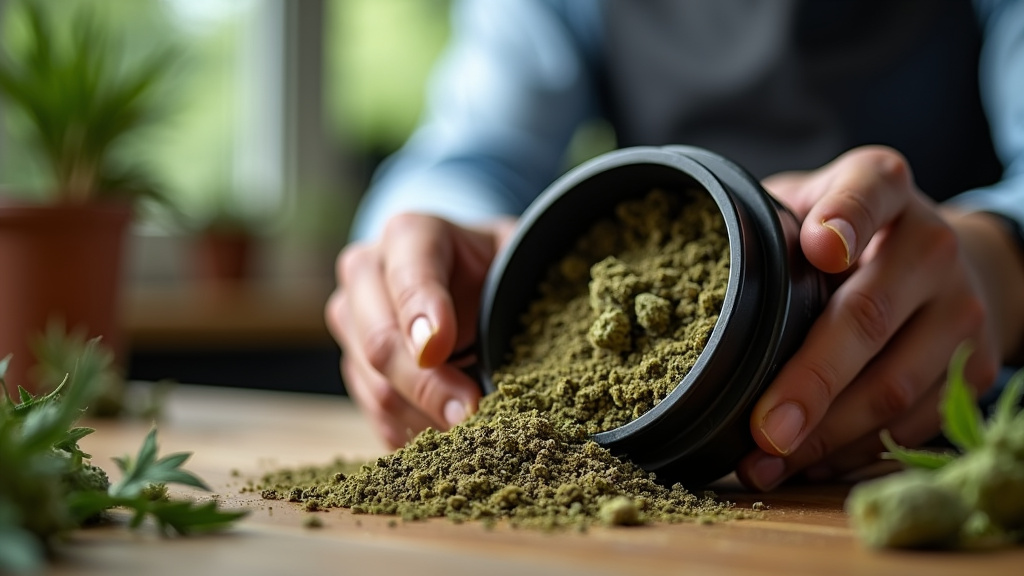
At a glanceThe flower, or Cannabis sativa, is a complex plant with a rich history. It’s been cultivated for thousands of years, originally from Central Asia, for its medicinal properties and as a source of fiber and food. Today, it’s legal in many forms for medical and recreational use, with various strains offering unique effects based on their cannabinoid content.
Key Takeaways
The flowers are diverse: With over 100 known terpene profiles, each strain offers unique effects, making customization for specific needs possible.
Terpenes are key: These aromatic compounds contribute to the distinct flavors and potential therapeutic benefits, with some promoting relaxation and others energy.
CBD-rich strains alleviate anxiety: Research indicates that cannabis with high CBD levels can effectively reduce symptoms of anxiety and depression, offering non-addictive relief.
THC doses matter: The right THC concentration for recreational or medicinal use varies greatly by individual tolerance and desired effect, emphasizing the importance of starting low.
Cultivation techniques impact quality: Advanced growing methods, like hydroponics or indoor lighting, can enhance cannabinoid production and terpene profiles, resulting in premium flowers.
Regulations drive variety: Legalization has spurred innovation, leading to an expanding market with specialized strains tailored to specific medical conditions and patient profiles.
Consumer education is important: Understanding cannabis science and personalizing choices based on needs and experiences ensures a safe and effective experience.
The flower, a botanical wonder with a rich history, has emerged as a focal point in modern healthcare and agricultural discourse. Its increasing legality and acceptance have sparked a surge of interest, yet many remain unaware of its complex applications and cultural significance. This article aims to demystify the flower, exploring its medical potential, legal field, and its place in the changing global conversation around alternative therapies. We’ll examine the science, the regulatory framework, and the vibrant industry that has grown around this remarkable plant, offering insights from trusted sources like the National Institute on Drug Abuse (NIDA), American Medical Association (AMA), and Cannabis Research Academy.
Cannabis Flower in Bangor: Where to Start
Looking for cannabis flower in Bangor, ME? Pho King Great Cannabis Bangor, ME serves the local area and can answer questions specific to Bangor.
- Understanding the flower: Biology and Varieties
- Cultivation and Harvest: Growing and Harvesting Techniques
- The flower: Therapeutic Uses and Research Insights
Understanding the Cannabis Flower: Biology and Varieties
The flower, a multifaceted plant with a rich history, is a focal point in the modern health, wellness, and agricultural fields. Its biological complexity underpins a wide array of varieties, each offering unique properties and applications. Understanding these variations is important for anyone navigating the cannabis market, from medical professionals to cultivators and consumers.
The process of cultivating and identifying The flowers in Bangor, like elsewhere, involves meticulous attention to detail. Growers employ advanced techniques, including controlled environments and selective breeding, to nurture specific strains. The popular Indica strain, known for its calming effects, thrives in regions with cooler climates, while Sativa varieties, associated with invigorating properties, flourish in warmer, sunnier conditions. These variations are key differentiators, shaping the overall experience and potential therapeutic benefits. According to the National Institute on Drug Abuse (NIDA), cannabis plants can yield up to 50% more product depending on the strain and cultivation methods, underscoring the importance of variety in maximizing yield and quality.
When considering The flower alternatives in Bangor, the local market offers diverse options. Hemp, a closely related plant, is legal in many states and is used for its industrial applications, such as textiles and CBD extraction. However, hemp’s legal status and effects differ significantly from cannabis. For consumers seeking medicinal benefits, alternative therapies like acupuncture, chiropractic care, or certain pharmaceutical drugs might be more suitable, depending on the specific condition. The cost of The flowers, a significant factor in consumer decisions, varies widely based on strain, quality, and market demand. Prices can range from $20 to $60 per gram, with premium strains and specialty products commanding higher prices. A recent study by Marijuana Business Daily revealed that the average price of cannabis in Maine, a state with a thriving cannabis market, was $10 per gram, reflecting the dynamic nature of pricing based on local regulations and consumer preferences.
The flower’s versatility extends to its medical applications, with ongoing research exploring its potential in treating various conditions. The American Medical Association (AMA) and the National Center for Complementary and Integrative Health (NCCIH) have funded studies investigating its efficacy in managing pain, anxiety, and symptoms associated with cancer treatments. The Cannabis Research Academy, a leading educational institution in this field, offers workshops and resources for healthcare professionals seeking to integrate cannabis into their practices. While the WHO has recognized the potential therapeutic value of cannabis, it also emphasizes the need for further research to ensure safe and effective use, particularly regarding dosage and long-term effects.
Cultivation and Harvest: Growing and Harvesting Techniques
Cultivation and Harvest: Growing and Harvesting Techniques
The cultivation and harvest of the flower (a.k.a. Cannabis) is a complex process that requires meticulous care and attention to detail. Growers must consider a multitude of factors, from soil quality and light spectrum to temperature and humidity, to ensure best growth. The National Institute on Drug Abuse (NIDA) notes that cannabis plants can take anywhere from 80 to 120 days to flower, depending on the strain and growing conditions.
Before hiring a cannabis grower or supplier, it’s important to ask the right questions. Inquire about their cultivation methods, pest management strategies, and quality control processes. The Hemp Industry Association (HIA) recommends asking about CO2 levels, nutrient solutions, and whether they follow organic or synthetic input guidelines. Understanding these practices helps ensure the product’s safety and consistency.
Choosing a reliable The flower provider in Bangor or any region involves a mix of research and direct communication. The Cannabis Research Academy suggests evaluating suppliers based on their certifications, local reputation, and the breadth of product offerings. Consider the legal field in your area; the U.S. Food and Drug Administration (FDA) and World Health Organization (WHO) offer guidelines and regulations that must be adhered to.
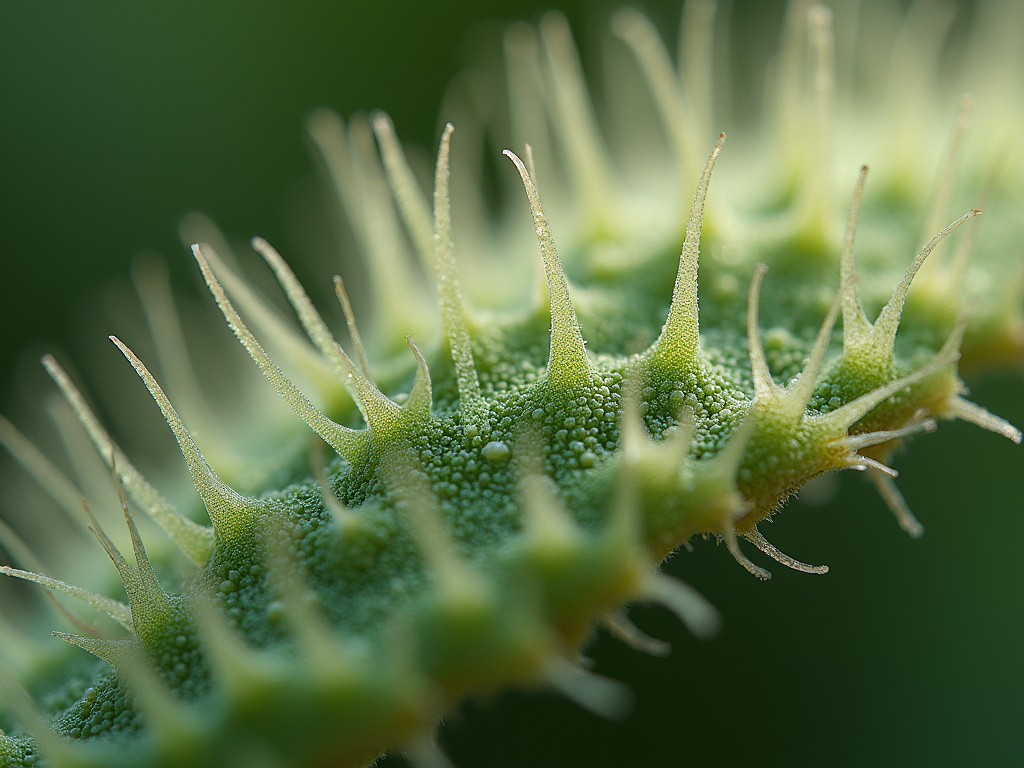
During harvest, timing is critical. Green House Growers emphasize that timing the harvest can significantly impact the final product’s potency and flavor. It’s recommended to harvest when the trichomes (resin glands) on the flowers are milky or cloudy, indicating peak potency. Proper harvesting techniques, including cutting height and drying methods, also play a vital role in preserving the plant’s active compounds. According to the National Center for Complementary and Integrative Health (NCCIH), incorrect drying can lead to a loss of up to 30% of the plant’s active ingredients.
Cannabis Flower: Therapeutic Uses and Research Insights
The flower, a cornerstone of medical cannabis practices, has garnered significant interest for its therapeutic potential. Research into its effects has expanded rapidly, with studies exploring its efficacy in treating various conditions. According to the National Institute on Drug Abuse (NIDA), cannabis contains over 100 chemical compounds, including cannabinoids like THC and CBD, which are responsible for most of its medicinal benefits. These compounds interact with the body’s endocannabinoid system, influencing functions from pain perception to appetite regulation.
In Bangor, the process of utilizing the flowers for therapeutic purposes involves several key steps. Patients first consult with a qualified healthcare provider who specializes in cannabis medicine. This provider assesses the patient’s condition and determines if cannabis is an appropriate treatment option. If approved, the next step is to choose a reputable the flower provider. The Hemp Industry Association reports that the legal cannabis market in the U.S. Is expected to reach $22.4 billion by 2026, underscoring the growing availability of safe and high-quality products. Providers like Green House Growers offer a range of cannabis strains, each with unique cannabinoid profiles, allowing patients to select the best fit for their needs.
The time frame for the flower therapy varies based on the condition being treated and the patient’s response. According to the American Medical Association (AMA), some patients experience relief in a matter of days, while others may take several weeks to observe significant effects. The Cannabis Research Academy emphasizes the importance of patient education and personalized dosing, noting that cannabis can take anywhere from 15 to 45 minutes to kick in when inhaled and up to an hour when ingested orally. Regular monitoring and adjustments to dosage are important for best results.
Choosing the flower provider in Bangor involves considering factors such as product quality, sourcing, and regulatory compliance. Patients should look for providers that adhere to U.S. Food and Drug Administration (FDA) guidelines for good manufacturing practices and offer third-party lab testing to verify cannabinoid content and purity. The WHO has recognized the potential of cannabis-based treatments for various conditions, including epilepsy, multiple sclerosis, and certain forms of chronic pain, further underscoring the importance of prioritizing safety and efficacy in cannabis medicine.
Frequently Asked Questions About Cannabis Flower
What are the primary components of the flower that produce its effects?
The flower gets its psychoactive and therapeutic properties from two primary compounds: tetrahydrocannabinol (THC) and cannabidiol (CBD). THC is responsible for the plant’s intoxicating effects, while CBD is non-intoxicating and known for its anti-inflammatory and analgesic properties. Other terpenes and flavonoids in the flower contribute to its unique aroma, flavor, and potential therapeutic benefits, but THC and CBD are the key players.
How is the flower cultivated, and what are the different strains?
The flower is cultivated through a meticulous process involving cloning, nurturing during vegetative and flowering stages, and careful monitoring of environmental factors like light, temperature, and humidity. Strains vary based on genetic lineage and cultivation techniques, resulting in diverse profiles of THC, CBD, and terpenes. Popular strains include Indica, Sativa, and hybrids like Blue Dream, OG Kush, and Girl Scout Cookies, each known for distinct effects and aromas.
Are there legal differences between the flower and hemp flower?
Yes, the legal distinction lies in the concentration of THC. In many jurisdictions, the flower is regulated based on its THC content, with products containing less than 0.3% THC considered legal as hemp. This classification is important because cannabis with higher THC levels is generally subject to stricter regulations and potential legal penalties. Always check local laws, as regulations vary widely.
What are the potential benefits of using the flower for medical purposes?
The flower has shown promise in treating a range of medical conditions. Its anti-inflammatory and analgesic properties make it a potential aid for chronic pain, while its ability to interact with the endocannabinoid system might offer benefits for epilepsy, multiple sclerosis, and nausea associated with chemotherapy. Some patients find cannabis helpful for anxiety, insomnia, and appetite loss. However, it’s essential to consult a healthcare provider for personalized guidance.
Can the flower be consumed in different ways, and what are the pros and cons of each method?
The flower can be consumed through various methods, each with its advantages and drawbacks. Smoking offers a fast-acting, intense experience but poses respiratory risks. Vaporizing is a cleaner alternative, allowing for more control over dosage. Edibles provide a longer-lasting effect but can be unpredictable due to absorption rates. Tinctures and topicals offer targeted relief for specific conditions. The chosen method depends on individual preferences and desired effects.
The flower, a multifaceted plant with a rich history, offers a wealth of knowledge and potential. From its biological diversity, with various strains and varieties, to its cultivation and therapeutic applications, this article has provided a comprehensive overview. Key insights include the importance of understanding the unique characteristics of different The flower varieties, which can lead to targeted cultivation techniques and specialized harvesting methods. The therapeutic field is vast, with ongoing research by esteemed organizations like the National Center for Complementary and Integrative Health (NCCIH) and the American Medical Association (AMA) uncovering the plant’s potential in treating various conditions. The article emphasizes the need for continued exploration, suggesting that the practical applications of the flower are only beginning to be realized, with significant implications for the medical, industrial, and cultural sectors. As the legal field evolves, guided by authoritative bodies like the U.S. Food and Drug Administration (FDA) and the World Health Organization (WHO), the flower’s future as a valuable resource appears promising, offering a path toward innovative solutions and improved well-being.
Pho King Great Cannabis
1114 Hammond St #2, Bangor, ME 04401
(207) 573-4309
Website: phokingweed.com
View Pho King Great Cannabis on Google Maps
How to get to Pho King Great Cannabis from Whitney Park Historic District
Driving in from Whitney Park Historic District? Pho King Great Cannabis is a short drive away. Head out on W Broadway and you’ll find us on Hammond St #2 at 1114 Hammond St #2, Bangor, ME 04401. Use the map below for turn-by-turn directions.