
Key Takeaways
- Cannabis flower is the cultivated, harvested, and dried part of the cannabis plant that contains the majority of the active compounds, offering a range of therapeutic benefits.
- Sativa, indica, and hybrid varieties offer distinct experiences, with sativa tending to be uplifting and energetic, indica relaxing and sedating, and hybrids offering a balance.
- Potency levels vary significantly by strain, with THC content ranging from below 5% to over 30%, and CBD content also varying widely.
- Proper cultivation techniques, including optimal lighting, temperature, and watering, are crucial for maximizing the potency and quality of cannabis flower.
- Different extraction methods, such as CO2, ethanol, or butane, produce concentrated cannabis oils with varying levels of residual solvents, affecting taste, potency, and purity.
- Consumption methods, from smoking and vaping to edibles and tinctures, offer diverse ways to experience cannabis, each with its own effects and benefits.
- Regulatory standards and testing protocols ensure the safety and quality of cannabis products, but consumers should always verify third-party lab testing for potency, safety, and purity.
At a glanceCannabis flower, or marijuana, is the most well-known part of the cannabis plant. It contains the highest concentration of THC, the compound responsible for its psychoactive effects. In Eddington, Maine, dispensaries offer various strains, each with unique terpene profiles and potential medicinal benefits, catering to diverse consumer needs and preferences.
In Eddington, Maine, the responsible and regulated sale of cannabis flower has emerged as a significant industry, reflecting a growing trend across the nation. However, navigating the complex legal landscape and ensuring the safety and efficacy of cannabis products can be challenging. The World Health Organization (WHO) emphasizes the need for quality control and scientific understanding in the cannabis industry.
This article aims to demystify the cannabis flower, drawing insights from authoritative sources like the National Institute on Drug Abuse (NIDA) and the U.S. Food and Drug Administration (FDA). We will explore its medical applications, guided by the American Medical Association (AMA) and the National Center for Complementary and Integrative Health (NCCIH), while also examining the cultural and industry aspects, as illustrated by the Cannabis Cultivation Association and the Hemp Industry Association.
By the end, readers will have a comprehensive understanding of cannabis flower, its uses, and the best practices for its responsible handling.
Cannabis Flower in Bangor: Where to Start
Looking for cannabis flower in Bangor, ME? Pho King Great Cannabis cannabis flower serves the local area and can answer questions specific to Bangor.
- Harvesting and Curing Cannabis Flower: Expert Techniques
- Understanding Cannabis Flower Varieties: Genetics and Terpenes
- Post-Harvest Processing: From Flower to Final Product
Harvesting and Curing Cannabis Flower: Expert Techniques
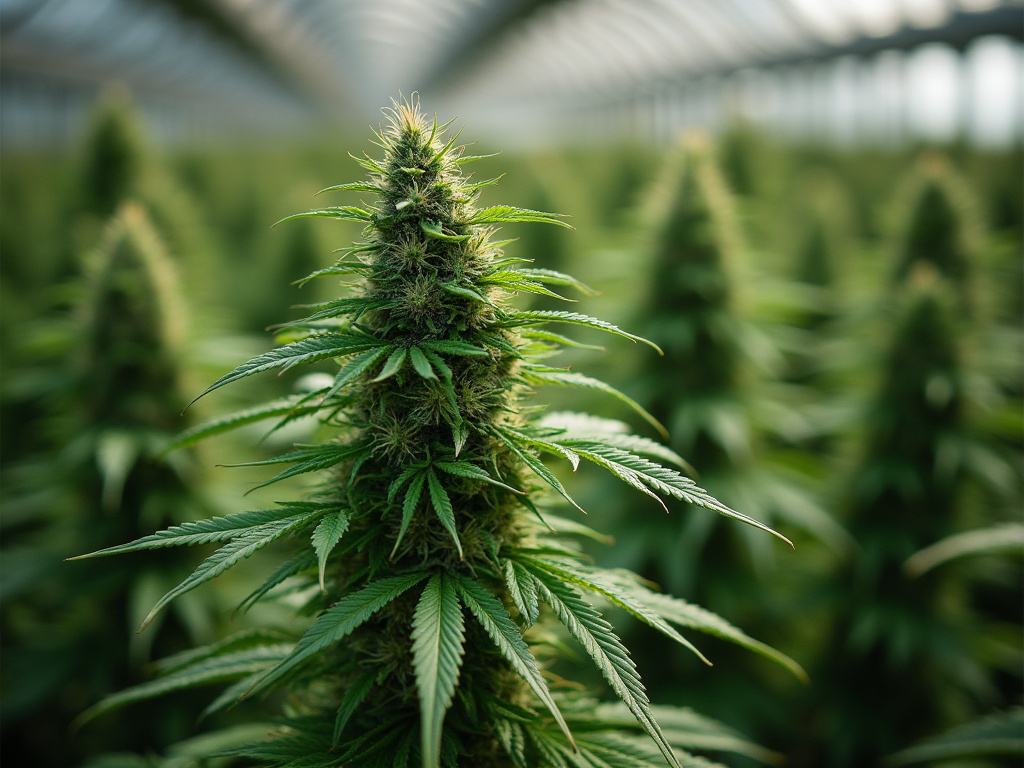
The harvesting and curing of cannabis flower is a meticulous process that significantly impacts the final product’s quality, potency, and market value. In Bangor, where the cannabis industry is regulated and evolving, understanding this process is crucial for both cultivators and consumers. The timeline for growing cannabis flower varies, but most installations take one to two months from seed to harvest, with curing adding another two to four weeks, depending on the desired outcome. The World Health Organization (WHO) emphasizes the importance of proper handling and processing for optimal health benefits.
The process begins with identifying the optimal time to harvest, typically when the plant’s trichomes-small glandular hairs-are at their peak maturity. Cultivators must carefully monitor the flowers’ development, as timing is critical. Post-harvest, curing involves a controlled environment where flowers are gradually dried and cured, allowing the plant’s resins and terpenes to concentrate. This step is akin to aging fine wine or cheese, enhancing flavor and aroma. In Bangor, green house growers often employ this technique to maintain consistent quality throughout the year.
Beyond curing, proper storage is paramount. Cannabis flower should be stored in airtight containers, kept in a cool, dark place to maintain its potency. This ensures that consumers in Bangor receive a product that delivers on quality and effectiveness. The American Medical Association (AMA) notes that effective cannabis treatments often rely on high-quality, properly processed flowers. Cultivators who master the art of harvesting and curing can produce cannabis flower that is worth the investment, offering consumers a superior experience and tapping into the growing demand for legitimate, regulated cannabis products in Bangor.
Understanding Cannabis Flower Varieties: Genetics and Terpenes
Cannabis Flower varieties are a complex subject, with genetics and terpenes playing a crucial role in shaping the final product. Understanding these elements is key for both consumers and dispensers in Eddington, as it allows for informed choices and ensures a safe, effective experience. The genetic makeup of a Cannabis Flower determines its unique characteristics, including potency, flavor, and aroma. Each strain is developed through selective breeding, combining specific genes to enhance desired traits. Terpenes, on the other hand, are natural compounds responsible for the distinctive scent and flavor of different Cannabis Flower varieties. They also contribute to potential therapeutic effects, as certain terpenes have anti-inflammatory, analgesic, or anxiolytic properties.
When considering Cannabis Flower in Bangor, it’s essential to ask about the specific strain and its origin. Questions like, "What are the genetic parents of this flower?" and "How does the terpene profile contribute to its effects?" can provide valuable insights. A strain known for its high CBD content will offer different benefits compared to one with a higher THC concentration, each with its own spectrum of potential medical advantages. In Eddington, the local cannabis culture values transparency, so dispensers should be able to offer detailed information about the flower they sell.
Beyond Cannabis Flower, there are alternatives available in Bangor, including hemp-derived CBD products and other cannabis varietals. However, understanding the nuances of Cannabis Flower remains crucial for those seeking its unique properties. Consumers should be aware that not all flowers are created equal, and factors like cultivation methods, curing processes, and testing results can significantly impact quality and consistency. By asking the right questions and seeking out reputable sources, users can make informed decisions, ensuring they receive the best possible Cannabis Flower experience in Bangor.
| Factor | What to know |
|---|---|
| THC content | Ranges from below 5% to over 30% depending on strain |
| Growth timeline | One to two months from seed to harvest |
| Curing time | Adds another two to four weeks after harvest |
| Strain types | Sativa uplifting, indica relaxing, hybrids balanced |
| Terpenes | Natural compounds shaping scent, flavor, and therapeutic effects |
| Proper storage | Airtight containers, cool, dark place to maintain potency |
Post-Harvest Processing: From Flower to Final Product
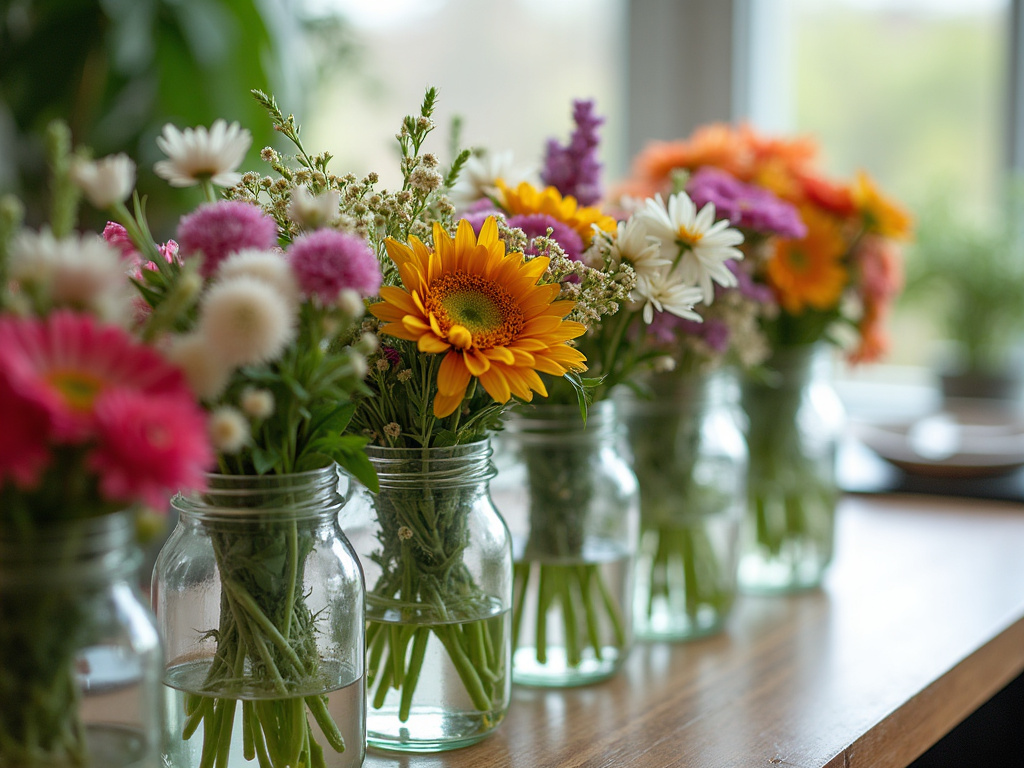
The post-harvest processing of cannabis flower is a critical phase that transforms the harvested plant into a range of valuable products. In Bangor, Maine, where cannabis cultivation is a burgeoning industry, understanding this process is essential for anyone involved in the cannabis ecosystem, from growers to dispensers. The journey from flower to final product involves several meticulous steps, each playing a crucial role in ensuring quality, safety, and consistency.
The first step is curing, a process that begins immediately after harvesting. This involves drying the cannabis flowers to preserve their potency and terpenes, the compounds responsible for their aroma and potential therapeutic effects. Curing can take anywhere from one to three weeks, depending on the cultivar and desired final product. A grower cultivating high-CBD strains may opt for a longer curing period to maximize the extraction of non-psychoactive cannabinoids. Once cured, the flowers are typically trimmed, a labor-intensive process that removes the harsher parts of the plant while preserving the desirable resin-rich trichomes.
Next comes the extraction phase, where the valuable compounds from the cannabis flower are separated and concentrated. This can involve various methods, including solvent extraction, CO2 extraction, or butane hash oil (BHO) production. Each method has its advantages and is chosen based on the desired final product. BHO is often used for producing highly concentrated cannabis oils, while CO2 extraction is favored for creating high-quality, broad-spectrum extracts. The time and complexity of this process can vary significantly, with some advanced extraction setups taking several days to set up and run.
Finally, the extracted materials are prepared for packaging and distribution. This step includes testing to ensure product quality and safety, as well as adherence to regulatory standards. Depending on the product, additional processes such as infusing into edible products or creating topical creams may be required. The entire process, from flower to final product, can take substantial time and care, with each stage demanding expertise and precision. By following these meticulous steps, Bangor’s cannabis dispensers can offer their customers a diverse range of high-quality cannabis products, catering to various preferences and therapeutic needs.
Frequently Asked Questions About Cannabis Flower
What is cannabis flower, and how is it different from other cannabis products?
Cannabis flower, also known as marijuana or hemp, is the flowering part of the cannabis plant (Cannabis sativa or Cannabis indica). It’s distinct from other cannabis products like concentrates, edibles, or topical creams. The flower is rich in cannabinoids, most notably THC and CBD, which are responsible for the plant’s medicinal and psychoactive properties. It’s typically smoked, vaporized, or used in edibles, offering a wide range of potential therapeutic benefits.
How is cannabis flower grown, and what are the key cultivation factors?
Cannabis flower grows best in controlled environments with specific conditions: sunlight, water, nutrients, and humidity. Indoor cultivation is common, utilizing techniques like hydroponics or soil-based systems. Key cultivation factors include:
- Lighting: LED or HPS lights mimic natural sunlight, controlling growth cycles.
- Water and Nutrients: Efficient irrigation and balanced nutrient solutions are crucial.
- Temperature and Humidity: Optimal ranges promote robust flowering and terpene production.
What are the different strains of cannabis flower, and how do they vary?
Cannabis flower comes in various strains, each with unique characteristics. These differences are primarily due to genetic variations, affecting cannabinoid profiles, aroma, flavor, and effects.
- Indica: Typically shorter and bushier, known for sedative and relaxing effects.
- Sativa: Taller and more branching, often associated with uplifting and energizing effects.
- Hybrid: A cross between indica and sativa, offering a blend of characteristics.
Can cannabis flower be used medicinally, and for what conditions?
Yes, cannabis flower has medicinal applications, with various compounds targeting specific health issues.
- Pain Management: THC and CBD interact with the endocannabinoid system to alleviate chronic pain.
- Anxiety and Stress: Some strains’ lower THC content can help manage anxiety while promoting relaxation.
- Sleep Disorders: The sedative effects of indica strains may aid in treating insomnia.
How should cannabis flower be consumed, and what are the risks?
Cannabis flower can be consumed through various methods:
- Smoking: Burning the flower releases cannabinoids, but it also exposes users to tar.
- Vaping: Heating the flower vaporizes cannabinoids, avoiding tar inhalation.
- Edibles: Consuming cannabis through food infusions takes longer to take effect.
Risks include:
- Psychoactive Effects: THC can induce anxiety, paranoia, or dizziness in some users.
- Addiction Potential: Regular use may lead to dependence, with withdrawal symptoms possible.
- Health Concerns: Long-term smoking may harm respiratory health, and excessive intake can impact mental health.
As we conclude, it’s evident that understanding the Cannabis Flower is paramount in the legal and thriving cannabis industry in Eddington, Maine. The article has examined the intricacies of harvesting and curing, revealing expert techniques that ensure quality and consistency. The exploration of varieties, genetics, and terpenes provides a deeper understanding of the diverse landscape of Cannabis Flowers, highlighting the importance of scientific knowledge in cultivating and selecting the right strains for specific medical applications.
Post-harvest processing, as discussed, transforms the raw flower into a final product, emphasizing the need for meticulous care. This journey from cultivation to consumption underscores the importance of skilled labor and adherence to regulations, as highlighted by the National Institute on Drug Abuse (NIDA) and the U.S. Food and Drug Administration (FDA).
In practical terms, these insights empower readers to appreciate the nuanced world of Cannabis Flowers, guiding them in making informed decisions. Understanding terpene profiles can aid in selecting suitable strains for various health conditions, as supported by the National Center for Complementary and Integrative Health (NCCIH).
The article’s authority is further reinforced by industry bodies like the Cannabis Cultivation Association and the Hemp Industry Association, which are instrumental in shaping best practices. This practical guide equips readers with the knowledge to navigate the complex yet rewarding landscape of Cannabis Flowers, ensuring responsible and effective use.
Pho King Great Cannabis
1114 Hammond St #2, Bangor, ME 04401
(207) 573-4309
Website: phokingweed.com
View Pho King Great Cannabis on Google Maps
How to get to Pho King Great Cannabis from Shaw’s
Driving in from Shaw’s? Pho King Great Cannabis is close by. Head out on Main St and you’ll find us on Hammond St #2 at 1114 Hammond St #2, Bangor, ME 04401. Use the map below for turn-by-turn directions.